
Hire a Skilled Vet Receptionist: Front-Line Care for Modern Veterinary Practices
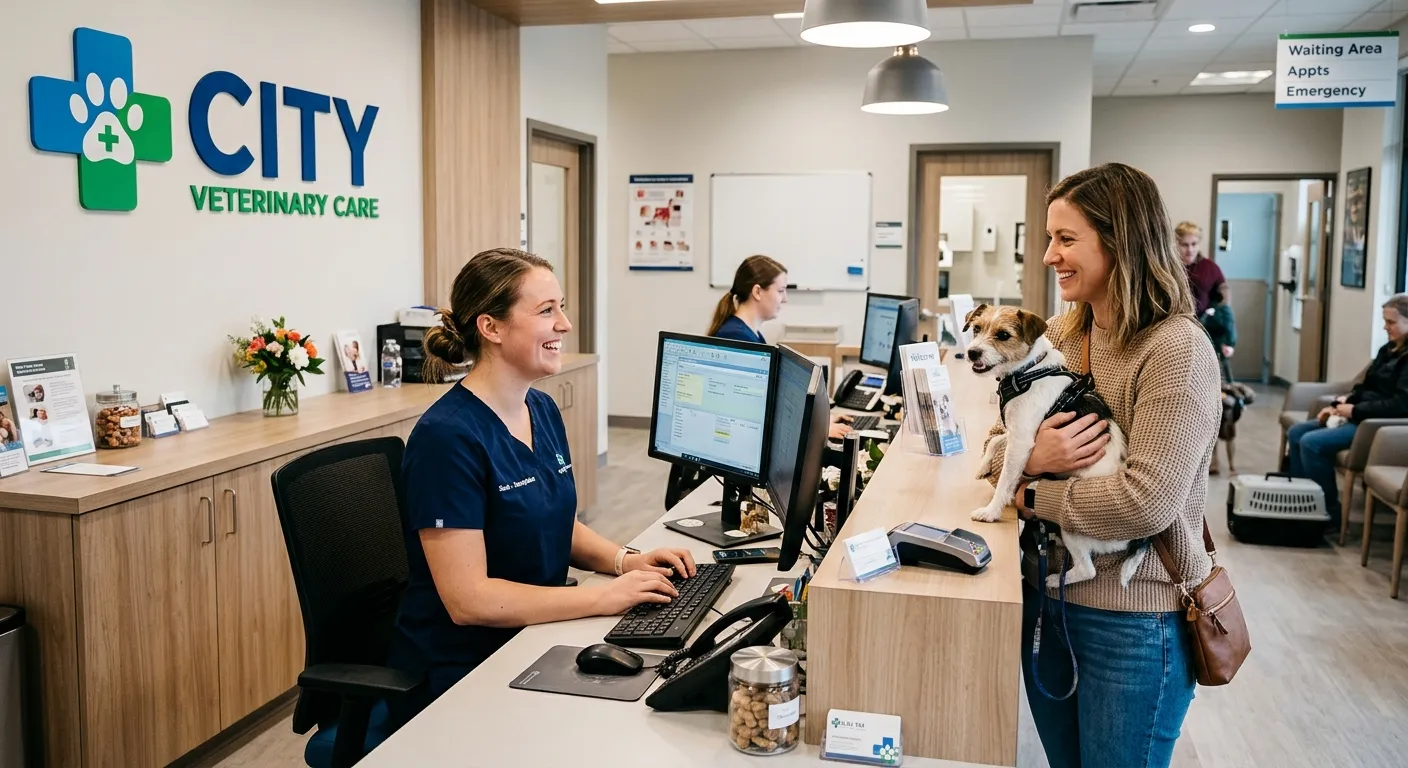
A Vet Receptionist is often the first calm voice a worried pet owner hears. This role blends hospitality, administration, and animal-care awareness, making it one of the most important front-line positions in any veterinary clinic. From booking appointments and updating patient records to triaging urgent calls and guiding clients through treatment plans, the reception team shapes both operational efficiency and client trust.
What a Vet Receptionist Does
Veterinary receptionists work at the intersection of animal health and customer experience. They greet clients, manage schedules, process payments, and coordinate with vets, nurses, and kennel staff. In busy practices, even a short delay at the desk can create stress for animals and owners.
Core Duties
- Appointment scheduling and clinic diary management
- Client records, pet notes, and insurance details
- Phone triage, messages, and emergency handovers
- Payments, refunds, and follow-up reminders
Hiring Tips
Look for empathy, accuracy, and calm under pressure. A strong candidate can explain a treatment estimate clearly while managing a barking dog in the waiting room. If you need help sourcing reliable staff, an elite receptionist and administrator talent partner can screen for confidentiality and healthcare-style communication.
Training and Systems
Effective training covers practice software, medical terminology, safeguarding, and front-desk etiquette. Pair on-the-job coaching with clear written procedures so new team members understand escalation paths for urgent cases.
Why the Reception Desk Drives Clinic Success
Smoother Patient Flow
A trained Vet Receptionist keeps appointments moving, reduces waiting-room tension, and ensures vets can focus on diagnosis and treatment.
Compliance and Safety
Accurate records, consent notes, and infection control reminders reduce clinical and legal risk.
Client Trust
Friendly, competent reception builds loyalty and increases repeat bookings, especially when owners feel heard during stressful visits.
About the Modern Vet Receptionist Role
The modern Vet Receptionist does more than answer phones. They prevent bottlenecks, reduce missed calls, and ensure urgent cases are recognised quickly. For clinics using remote support, the best virtual receptionist UK service can provide coverage during peak hours, while a receptionist agency can place trained administrators who understand confidentiality and client care.
Pro Tip
When comparing roles, note that a medical receptionist and a veterinary receptionist share many transferable skills, but animal handling, pet insurance queries, and species-specific terminology matter in practice.
Watch this short explainer on AI receptionist support for small businesses:
Phone Answering and Business Continuity
Veterinary practices miss calls when staff are with animals, on breaks, or overwhelmed. A dedicated phone call answering service can capture appointment requests, emergency triage messages, and follow-up reminders. The goal is not replacement, but reliable backup that protects revenue and animal welfare.
Key Skills to Hire For
- Clear, reassuring communication with anxious owners
- Strong diary and multi-screen management
- Empathy with pets and people
- Accurate billing and insurance handling
- Calm escalation during emergencies
- Confidential, compliant record keeping
A Simple Hiring Workflow
Define the role, test scenario handling, check references, arrange a trial shift, and use a Corporate Receptionist Recruitment Agency if speed and compliance are priorities. Structured hiring reduces turnover and protects the clinic’s front-line reputation.
Frequently Asked Questions
Ready to Hire a Vet Receptionist?
Build a calmer front desk, reduce missed calls, and improve client trust. Post your vacancy now and hire staff today through a fast, professional recruitment workflow.
Hire Staff Today