Hire Elite Front Desk Medical Receptionist Staff Today: The Ultimate Guide
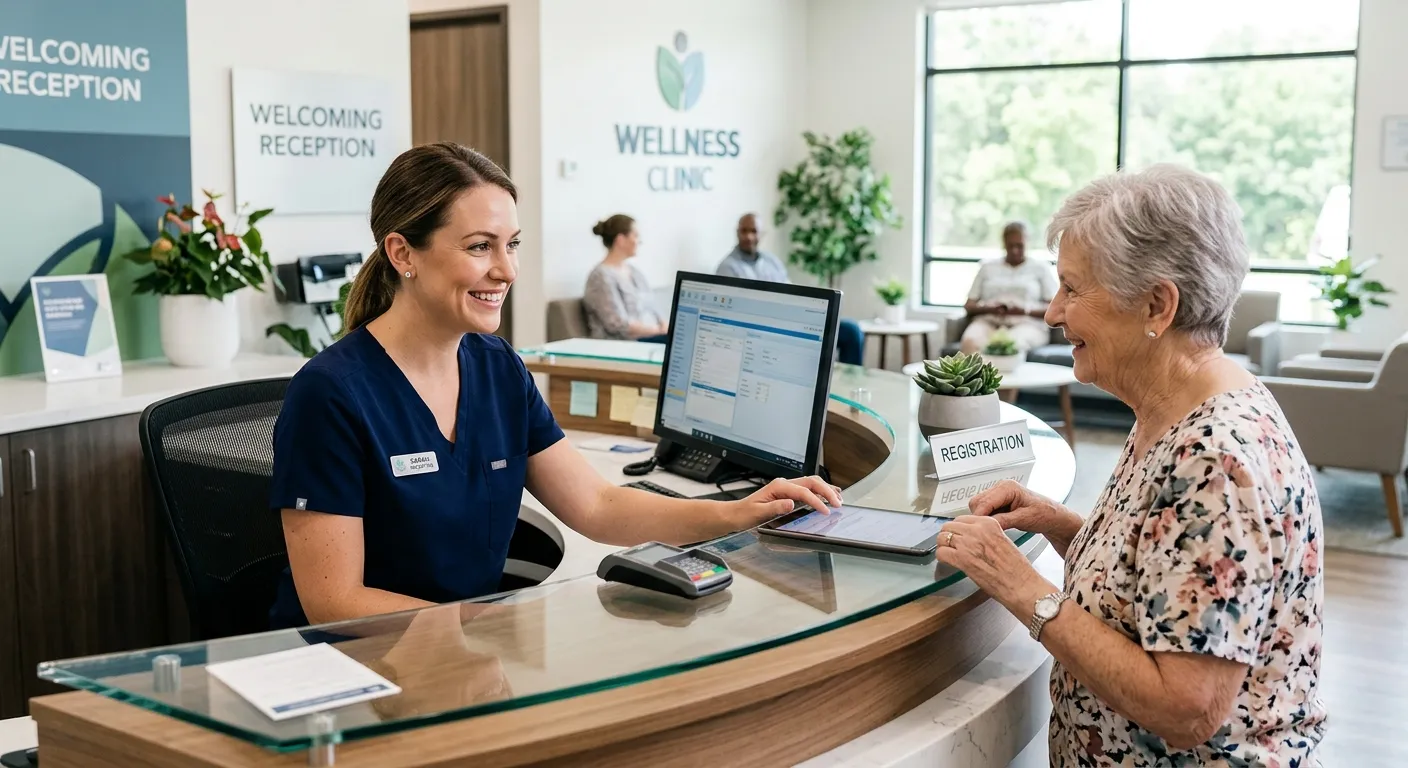
The Front Desk Medical Receptionist is the heartbeat of any clinic or hospital. Discover how to hire, train, and retain top-tier talent that elevates patient experience and streamlines operations. Find actionable strategies and expert insights below.
Multi-Category Overview: Mastering Medical Reception
The role of a medical receptionist is multifaceted. Use the tabs below to explore core areas of responsibility, hiring, and optimization.
The Pivotal Role of the Medical Receptionist
A Front Desk Medical Receptionist is far more than a scheduler. They are the first and last point of contact, a clinical liaison, and an administrative powerhouse. Their performance directly impacts patient satisfaction, clinical workflow, and revenue cycle management.
- Patient Experience Architect: Sets the tone for the entire clinical visit through warmth, empathy, and clear communication.
- Clinical Workflow Coordinator: Manages patient flow, ensures charts are ready, and communicates delays to both patients and clinical staff.
- Data Integrity Guardian: Accurately inputs and verifies sensitive patient demographic and insurance information, a critical step for billing.
- Telecommunications Hub: Handles a high volume of inbound calls, triages urgent requests, and manages prescription refill lines.
Pro-Tip: The Soft Skills Divide
While technical proficiency with EHR systems is teachable, innate soft skills like empathy, active listening, and stress resilience are paramount. Prioritize these traits during your hiring process to find candidates who can genuinely connect with patients.
Strategic Hiring for Front Desk Excellence
Finding the right candidate requires a targeted strategy. This role has unique demands distinct from other reception or kitchen staff positions, which focus more on logistical coordination in a high-pressure environment.
Your job description must highlight HIPAA compliance, experience with specific software like EMIS or SystmOne, and the ability to handle distressed patients. For broader recruitment strategies, insights from pages like Find Top Recruitment Talent in [City] can be invaluable. Furthermore, consider how a best virtual answering service can support your front desk during peak call times, ensuring no patient call is ever missed.
Avoid common pitfalls by watching our expert analysis: .
Leveraging Technology for Peak Performance
Modern tools can exponentially increase a receptionist's efficiency and accuracy. From advanced EHR integrations to AI-powered call handling, the right technology stack is a force multiplier.
Integrating a live phone answering service or a virtual phone answering service can manage call overflow, appointment scheduling, and after-hours inquiries, allowing your on-site staff to focus on in-person patient care. This hybrid model is detailed in resources like Automated vs Live Answering: Finding the Right Mix.
See technology in action: showcases a real medical practice eliminating missed calls.
Essential Attributes of a Top-Tier Medical Receptionist
The best professionals in this field blend hard skills with exceptional interpersonal abilities. Here are the non-negotiable features to look for.
Unwavering Discretion & HIPAA Compliance
Handling Protected Health Information (PHI) requires absolute integrity. A top candidate understands HIPAA regulations implicitly, maintains patient confidentiality in all conversations, and secures physical and digital records meticulously. This is as critical as the operational focus needed in building services maintenance roles.
Exceptional Communication & Emotional Intelligence
They must decode medical jargon for patients, convey urgency calmly to clinicians, and de-escalate situations with anxious individuals. This skill set is highly transferable and sought-after, similar to the qualities needed for remote customer support jobs. The ability to listen actively and respond with compassion is irreplaceable.
Mastery of Practice Management Software
Proficiency goes beyond data entry. Skilled receptionists leverage EHR/PM systems for predictive scheduling to minimize no-shows, generate insightful reports on patient flow, and manage automated reminders. This technical expertise ensures the financial and operational health of the practice, much like how a proficient PR Manager manages communication tools for brand health.
Training, Retention, and Career Pathways
Investing in your front desk staff pays exponential dividends in patient loyalty and operational smoothness. Here’s a deep dive into developing your team.
Structured Onboarding & Continuous Training
A sink-or-swim approach is costly. Develop a 2-4 week onboarding program that pairs new hires with a mentor. Training must cover:
- Practice-Specific Protocols: From handling lab results to managing emergency walk-ins.
- Software Deep-Dives: Beyond basics, train on generating reports and understanding insurance eligibility modules.
- Stress & Conflict Management: Role-playing scenarios for dealing with difficult patient interactions.
For facilities managing multiple sites, a centralized training resource, similar to the approach used for expert staffing solutions in other sectors, ensures consistency.
Creating Clear Career Ladders
To retain top talent, show a path forward. A Front Desk Medical Receptionist can advance into:
- Lead Receptionist / Front Office Supervisor: Managing the front desk team, handling schedules, and complex patient issues.
- Medical Secretary / Administrative Assistant: Providing direct support to physicians or practice managers.
- Billing & Coding Specialist: Transitioning into the revenue cycle side with additional certification.
- Patient Coordinator / Navigator: A more specialized role guiding patients through complex care journeys.
Supporting this progression reduces turnover and builds institutional knowledge, a principle that applies equally to roles like Healthcare Assistant careers.
Pro-Tip: Measure What Matters
Track key performance indicators (KPIs) beyond simple attendance. Monitor patient satisfaction scores related to front desk interactions, check-in/check-out time averages, appointment scheduling accuracy, and call abandonment rates. Data-driven insights help you coach effectively and prove the value of your front desk team to practice leadership.
Frequently Asked Questions: Front Desk Medical Receptionist
Get expert answers to the most common questions about hiring, qualifications, and daily responsibilities.
While requirements vary, most employers seek a high school diploma or equivalent, with preference given to candidates with a certification in medical office administration. Essential qualifications include:
- Proven experience (1-2 years) in a medical front office setting.
- Familiarity with major Electronic Health Record (EHR) and practice management software.
- Understanding of medical terminology, billing codes (CPT/ICD-10), and HIPAA regulations.
- Exceptional communication, multitasking, and customer service skills.
For more on crafting perfect job specs, visit our general FAQ or explore recruitment talent strategies.
Staffing gaps are a major operational risk. A multi-layered contingency plan is essential:
- Cross-Train Back-Office Staff: Train medical assistants or nurses on basic front desk tasks for emergency coverage.
- Utilize Temp Agencies: Partner with a specialized agency that can provide vetted, pre-trained temporary medical receptionists. This is a core service offered by leading providers.
- Implement Hybrid Support: Integrate a remote telephone answering service to manage call overflow, appointment scheduling, and after-hours inquiries seamlessly. This ensures patients always reach a professional, even when the physical desk is short-staffed.
A Front Desk Medical Receptionist is typically an on-site employee who handles the full spectrum of in-person and phone interactions, manages physical records, and coordinates directly with clinical staff. A Virtual or Remote Receptionist (often provided by a service like a best virtual receptionist UK service) handles telecommunications remotely—answering calls, scheduling appointments, and taking messages—but does not manage in-person check-ins or physical paperwork.
The most effective practices often use a hybrid model: an on-site team for complex, in-person tasks, augmented by a virtual service for 24/7 call coverage, overflow, and after-hours support. This model is detailed in our resource on UK's top business calls answering services.
An effective job description is your first interview. Move beyond generic lists. Highlight:
- The Impact:"You will be the first point of contact, creating a calming environment for patients during potentially stressful times."
- Specific Technology: Name the EHR software you use (e.g.,"Daily use of SystmOne for patient registration and scheduling").
- Growth Opportunities: Mention training programs, certification support, and clear paths for advancement.
- Practice Culture: Describe your team's dynamic and commitment to patient care.
Ready to post? Use our dedicated platform to hire staff today and reach qualified candidates actively looking for roles like Front Desk Medical Receptionist and other critical Kitchen Staff Positions.
Ready to Transform Your Front Desk?
Whether you need to hire a permanent Front Desk Medical Receptionist, secure temporary coverage, or implement a hybrid solution with virtual support, the right partnership is key to seamless patient care.
For more insights, browse our industry news or learn about our mission to connect healthcare providers with exceptional talent.
Case Study: From Chaos to Calm – A 90-Day Front Desk Transformation
A real-world example of how a multi-specialty clinic in Manchester addressed critical front desk failures, implementing a holistic strategy that improved patient satisfaction scores by 40% within three months.
The Challenge
"CityMed Clinic" faced a perfect storm: 70% staff turnover in 12 months, patient complaints about long phone wait times and rude interactions, and a 15% no-show rate. Front desk morale was at an all-time low, creating a toxic cycle that impacted the entire practice's revenue and reputation.
- Average call wait time: 8 minutes
- Patient satisfaction (front desk): 58%
- Staff were using 5 different, unconnected software systems.
The Intervention
Management implemented a three-pillar approach: People, Process, Technology. They hired two new receptionists with a focus on emotional intelligence, partnered with a virtual answering service for overflow calls, and consolidated their software into a single, integrated EHR/PMS platform. Crucially, they established a two-week"shadowing" onboarding program.
They also introduced a daily 10-minute"huddle" for the front desk and clinical team to align on the day's schedule and potential patient sensitivities.
The Results
Within 90 days, the transformation was measurable and profound. The hybrid model of on-site and virtual support created resilience.
- Average call wait time: Under 90 seconds
- Patient satisfaction (front desk): 82%
- No-show rate reduced to 8% via automated and personal reminders.
- Staff reported a 60% reduction in daily stress levels.
Key Takeaway:
Isolated fixes rarely work. The clinic's success came from addressing culture, support, and tools simultaneously. Investing in proper onboarding and technological support (like a dedicated virtual phone answering service) wasn't an expense but a direct investment in patient retention and staff well-being.
Salary Benchmarks & Compensation Strategies for 2024
Competitive compensation is the cornerstone of attracting and retaining elite front desk talent. Below is a breakdown of current market rates across the UK, along with strategic advice on structuring packages.
| Experience Level / Region | Average Base Salary (Annual) | Key Benefits & Perks to Attract Talent |
|---|---|---|
| Entry-Level (0-2 yrs) - Midlands/North | £20,000 - £23,500 | Structured training programme, study support for AMSPAR certification, subsidised travel. |
| Experienced (3-5 yrs) - South East / London | £26,000 - £32,000 | Private healthcare, performance bonuses linked to patient satisfaction KPIs, flexible hybrid working options (1-2 days remote for admin tasks). |
| Senior / Lead Receptionist (5+ yrs) - Any Major City | £28,000 - £35,000+ | Leadership bonus, pension contribution matching, annual conference allowance, clear path to Office Manager role. |
Beyond the Paycheque: The Total Value Proposition
Today's candidates, especially for a high-stress role like a Front Desk Medical Receptionist, evaluate the entire employment ecosystem. A competitive salary is table stakes.
- Wellbeing Support: Offer access to an Employee Assistance Programme (EAP), mindfulness app subscriptions, or"wellbeing hours" to combat burnout.
- Investment in Growth: Clear, funded pathways for certifications (e.g., NVQ in Customer Service, AMSPAR Diplomas) show long-term commitment to their career.
- Tech-Enabled Workflow: Providing the best tools (like integrated phone systems) is a perk. It signals you value their time and want to remove friction from their day.
The Evolving Role: AI, Automation, and the Human Touch
Emerging technologies are not replacing the Front Desk Medical Receptionist; they are redefining the role, automating mundane tasks to free up staff for higher-value, empathetic patient interactions.
What Will Be Automated?
-
Automated Appointment Scheduling & Reminders
AI-powered chatbots and IVR systems will handle routine booking, rescheduling, and send personalised SMS/email reminders, drastically reducing no-shows and phone volume.
-
Digital Check-In & Document Processing
Patients will complete forms and verify insurance via secure tablets or portals before arrival. AI can pre-populate data and flag discrepancies for human review.
Where the Human Element Becomes More Critical
-
Complex Care Coordination & Navigation
Receptionists will evolve into Patient Navigators, spending more time guiding elderly or vulnerable patients through multi-provider care pathways, explaining procedures, and providing emotional reassurance.
-
High-Stakes Communication & De-escalation
Automation handles the routine, but a distressed family member, a patient with complex billing questions, or someone presenting with acute anxiety will always require the nuance, empathy, and critical thinking of a skilled human professional.
Strategic Preparation for Practice Managers
To future-proof your front desk, start now:
- Audit Tasks: List every front desk duty. Identify which are repetitive, rule-based (prime for automation), and which require empathy, judgment, and complex problem-solving.
- Upskill Your Team: Invest in training for advanced communication, basic mental health first aid, and data literacy so they can work alongside AI tools effectively.
- Phase in Technology: Start with a blended answering service to manage call overflow. Use this as a stepping stone to more integrated AI solutions, allowing your team to adapt gradually.
The goal is a synergistic partnership where technology handles the transactional, and your Front Desk Medical Receptionist excels at the relational—solidifying your practice's reputation for unparalleled patient care.