Essential Kitchen Staff Positions: Your Complete Hiring Guide & Role Definitions
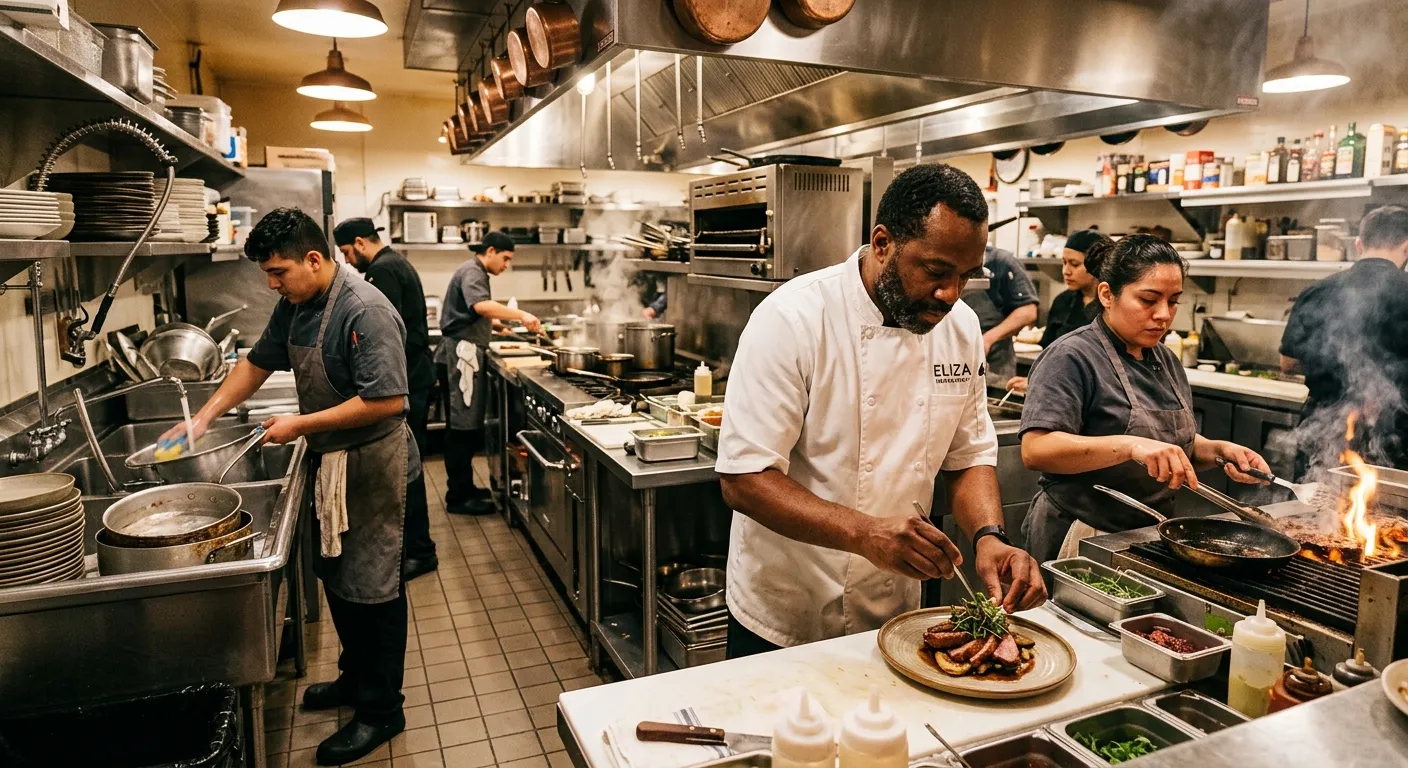
Navigating the complex ecosystem of a commercial kitchen starts with understanding every critical role. This definitive guide breaks down all key Kitchen Staff Positions, from Executive Chef to Commis, outlining responsibilities, required skills, and expert hiring strategies to build your dream culinary team.
Multi-Category Overview of Kitchen Roles
Use the tabs below to explore different categories of kitchen staff. Understanding these distinctions is as vital as knowing the difference between a Medical Receptionist and a Front Desk Medical Receptionist—both are crucial, but their scope and focus differ significantly.
The Hierarchy and Heart of the Kitchen
Every successful kitchen operates on a clear brigade system. At the top sits the Executive Chef or Head Chef, the visionary responsible for menu creation, cost control, and overall kitchen management. Reporting to them is the Sous Chef, the second-in-command who oversees daily operations, supervises staff, and steps in for the Head Chef. Then come the Chef de Parties (Station Chefs), each a specialist in a particular area like sauces (Saucier), fish (Poissonnier), or vegetables (Entremetier). Below them, Commis Chefs are junior cooks learning the trade, and Kitchen Porters form the essential backbone, handling cleanliness and prep support. Just as a Top Cedar Rapids Temp Agency provides specialized talent for immediate needs, each of these Kitchen Staff Positions fills a specific, non-negotiable function in the culinary workflow.
Finding and Securing Top Culinary Talent
Hiring for Kitchen Staff Positions requires a blend of assessing hard technical skills and crucial soft skills like resilience, teamwork, and communication under pressure. Effective strategies include leveraging culinary schools, reputable staffing agencies specializing in hospitality, and industry-specific job boards. It's also critical to have a streamlined hiring process to secure talent quickly in a competitive market—much like the urgency required when seeking an immediate start for Healthcare Assistant Jobs in Bolton. Utilizing a structured interview with a practical cooking test is indispensable. Furthermore, understanding the total cost of hiring, including training and potential turnover, is key. For insights into the financials of staffing solutions, reviewing a resource like the comparison between in-house and agency models can be enlightening.
Leading a Cohesive and Productive Brigade
Managing a kitchen team goes beyond scheduling. It involves fostering a culture of respect, continuous learning, and clear communication. Effective kitchen managers delegate authority according to the brigade system, provide constructive feedback, and invest in their team's development through cross-training. Scheduling must account for peak service times, with contingency plans for illness—a challenge familiar to any operations manager. Implementing standardized operating procedures (SOPs) for every station ensures consistency and safety. The principles of strong team management are universal, whether you're running a kitchen or coordinating a remote team for Remote Customer Support Jobs in Doncaster. The goal is to create an environment where each member, from the Head Chef to the Porter, understands their value and role in the collective success.
Key Kitchen Staff Positions & Core Responsibilities
A high-performing kitchen is built on specialized roles. Here are the essential positions that form the backbone of any food service operation.
Head Chef / Executive Chef
The ultimate authority. Creates menus, manages budgets, leads the kitchen brigade, ensures culinary quality, and upholds the establishment's reputation. This role requires visionary creativity and sharp business acumen.
- • Menu Development & Costing
- • Kitchen Staff Management & Training
- • Inventory & Supplier Relations
Sous Chef
The Head Chef's right hand. Manages the kitchen in the Head Chef's absence, supervises all station chefs, coordinates daily prep, and maintains kitchen flow during service. A role demanding exceptional organizational skill and calm under fire.
- • Direct Supervision of Line Cooks
- • Quality Control for All Dishes
- • Scheduling & Kitchen Logistics
Line Cook / Chef de Partie
The specialists. Responsible for a specific station (grill, sauté, pantry, etc.). They execute dishes to exact specifications, manage their station's mise en place, and maintain speed and consistency during peak service hours.
- • Expert Food Preparation & Cooking
- • Station Setup & Breakdown
- • Adherence to Recipes & Plating Guides
Commis Chef
The apprentice. Works under a Chef de Partie to learn the basics of the station. Tasks include basic food prep, ingredient weighing, cleaning, and assisting the senior cooks. This is the foundational training ground for all chefs.
- • Basic Vegetable & Meat Prep
- • Stock Rotation & Labeling
- • Learning Core Cooking Techniques
Kitchen Porter / Steward
The unsung hero. Ensures the kitchen operates hygienically and efficiently. Duties include pot washing, surface cleaning, waste removal, and sometimes basic prep work. A great Porter is invaluable to kitchen morale and efficiency.
- • Deep Cleaning of Equipment & Areas
- • Dishwashing & Sanitization
- • Supporting Cooks with Basic Tasks
Pastry Chef / Baker
The specialist in desserts, bread, and pastries. Often operates a separate section or kitchen. Creates all sweet menu items, manages specific ingredient inventories (like chocolates and flours), and requires precise, patient skill.
- • Dessert & Bread Production
- • Specialized Decoration & Finishing
- • Temperature & Fermentation Control
Building a Resilient Kitchen Team: Skills, Culture, and Retention
Beyond Technical Skills: The Soft Skills That Matter
While knife skills and temperature control are measurable, the soft skills often determine a kitchen's success. Communication is paramount—a silent kitchen is a dangerous or dysfunctional one. The ability to call out"Behind!" or"Fire two salmon!" clearly and calmly prevents accidents and keeps service smooth. Teamwork and respect are non-negotiable in a high-pressure, confined environment. The best kitchens function as a single organism, where the Porter supports the Commis, who supports the Line Cook, all the way up to the Head Chef. Resilience and grace under pressure are cultivated traits; a cook who can recover from a mistake during a dinner rush without panicking is worth their weight in gold. Investing in training these interpersonal skills can reduce turnover and create a more positive, productive workplace.
Creating a Culture of Safety and Continuous Improvement
A kitchen must be a bastion of safety. This goes beyond basic food hygiene certificates. It involves creating a culture where staff feel empowered to point out a slippery floor, a faulty gas connection, or improper lifting techniques without fear of reprisal. Regular, documented training on HACCP principles, allergen management, and fire safety is essential. Furthermore, fostering a culture of continuous improvement keeps staff engaged. Encourage line cooks to suggest small refinements to dishes, involve junior staff in menu tastings, and provide pathways for advancement. A Commis Chef should see a clear trajectory to becoming a Chef de Partie. This approach to talent development is similar to the structured career paths offered by leading agencies for Recruitment Jobs in Leeds, where growth opportunities are a key retention tool.
🛠️ Hiring Pro-Tip
Always include a practical stage in your interview process. Have candidates shadow for a short, paid period during prep or a quiet service. You'll see their real knife skills, work ethic, and how they fit with the team dynamic—factors a CV and interview can never fully reveal.
💡 Retention Strategy
Cross-train your staff on different stations. Not only does this provide cover for sickness, but it also breaks monotony, increases empathy between roles, and helps cooks understand the full kitchen operation. This investment in their skills shows you value their development and career progression.
The Logistics of Kitchen Staffing: Schedules, Pay, and Legal Considerations
Crafting Effective Schedules
Kitchen schedules are a complex puzzle. They must cover prep, service, and clean-down times while complying with working time regulations. A common approach is the"split shift" in restaurants, but this can lead to burnout. Modern kitchens are exploring alternatives like four-day workweeks or dedicated closing crews. Transparency and fairness are key—post schedules well in advance and use a rotating system for unpopular shifts like weekend closes or holiday work. Efficient scheduling software can save hours of managerial time and reduce errors, much like how a reliable Virtual Answering Service for Small Businesses streamlines external communications.
Understanding Compensation & Legalities
Compensation for Kitchen Staff Positions varies widely by role, experience, and location. Beyond hourly wages or salaries, consider the value of benefits like meal allowances, health insurance, and performance bonuses. Legally, you must ensure all staff have the right to work, food hygiene certifications are current, and all health & safety policies are documented and accessible. Employers are also responsible for providing mandatory training and maintaining a workplace free from harassment and discrimination. Misclassifying employees as contractors to avoid these responsibilities is a serious legal risk. For comprehensive guidance on employment law, consulting expert resources or your Tailored Solutions provider is advisable.
Frequently Asked Questions on Kitchen Staff Positions
Get expert answers to the most common questions about hiring, managing, and succeeding in culinary roles.
While all roles are important, the Sous Chef is often the most critical hire after the Head Chef. A great Sous Chef acts as the operational engine of the kitchen, translating the Head Chef's vision into daily reality, training staff, and maintaining standards. A weak Sous Chef can cause a breakdown in communication, consistency, and morale, directly impacting service quality and turnover.
Reframe the role. Market it as an entry point into the culinary industry with opportunities for cross-training and advancement. Offer competitive pay, emphasize a respectful and supportive team environment, and provide proper equipment and safety gear. Consider using a dedicated staffing agency that understands hospitality; for example, an agency skilled in finding immediate-start talent for support roles, similar to those used for Call Answering Service Jobs, can connect you with motivated individuals.
The terms are often used loosely, but professionally, a Chef implies a leadership or creative role (Head Chef, Sous Chef, Pastry Chef) involving management, menu development, and responsibility for a section or kitchen. A Cook (Line Cook, Commis) typically executes recipes and manages a station under a chef's direction. The distinction lies in scope of responsibility, creativity, and authority within the brigade system.
It depends on the position. For senior creative roles like Executive Chef, a blend of formal training and extensive experience is often ideal. For Station Chefs and Line Cooks, proven experience in a similar service environment can be more valuable than a degree alone. Many successful chefs are entirely self-taught or apprenticed. The key is to assess the candidate's practical skills, knowledge, and attitude during a trial, regardless of their educational background.
Absolutely. Temporary or seasonal staff are common for holiday rushes, large events, or to cover staff shortages. The key is to source them from reputable hospitality staffing agencies that vet for skills and fit. Ensure temporary staff receive a thorough safety and procedure briefing. Integrating them effectively requires clear communication from your permanent team leads. This flexible staffing model is widely used across industries, from event catering to supporting UK's Top Business Calls Answering Services during campaign periods.
Have more questions? Visit our general FAQ page for further insights.
Ready to Build Your Ideal Kitchen Team?
Understanding Kitchen Staff Positions is the first step. The next is finding the skilled, passionate individuals who will bring your culinary vision to life. Whether you need a permanent Head Chef, temporary Line Cooks for the festive season, or a reliable Kitchen Porter, take action today.
Post Your Kitchen Job Now & Hire StaffStart attracting qualified candidates in as little as 5 minutes. Your perfect hire is waiting.