The Ultimate Guide to Successful Festival Staff Recruitment
Navigate the complexities of hiring event personnel, from planning your team to handling urgent staff required scenarios. Your blueprint for building a seamless festival operation.
Post Your Festival Job Now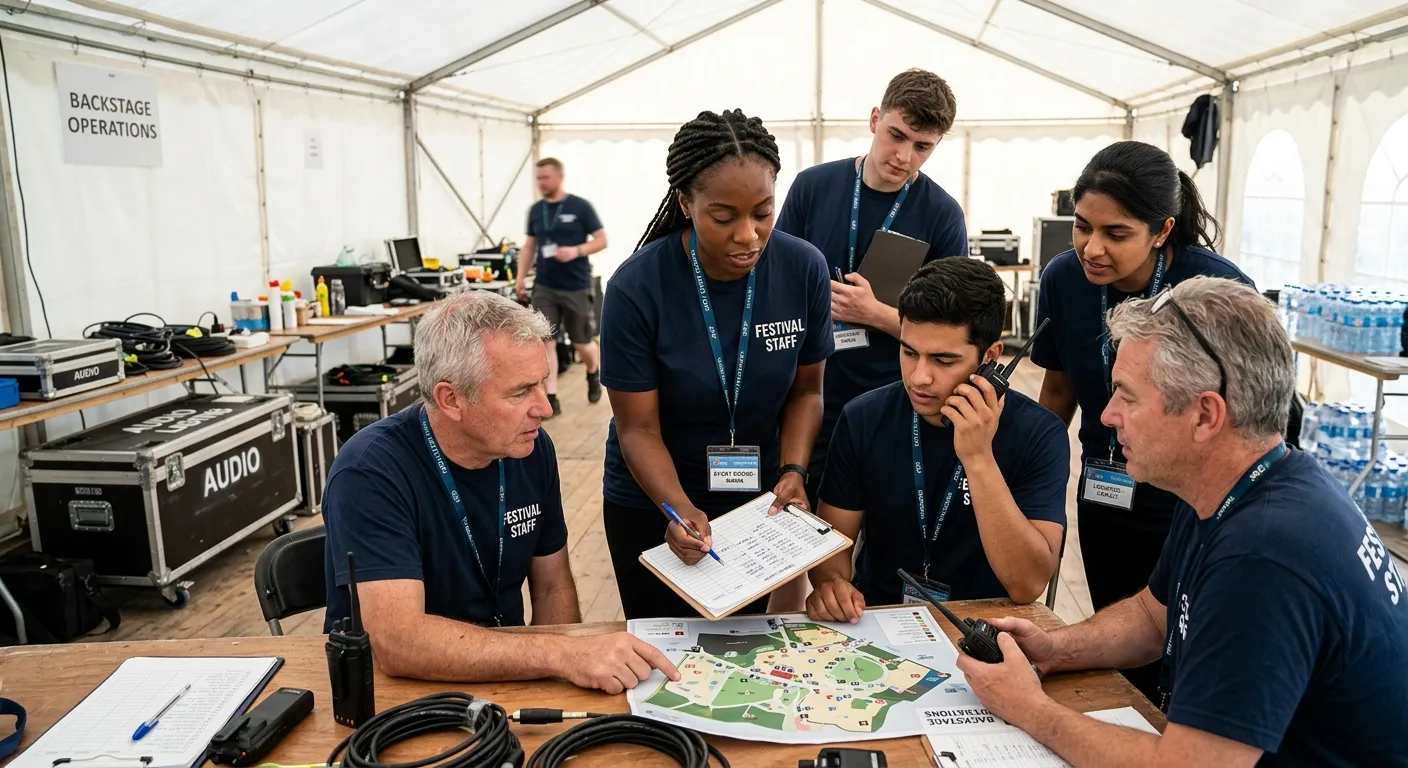
Mastering the Art of Festival Hiring
Festival staff recruitment is the critical backbone of any successful event. Unlike standard corporate hiring, it requires a unique blend of speed, scalability, and an acute understanding of short-term, high-intensity roles. Whether you're managing a boutique music festival or a sprawling cultural event, the quality and reliability of your team directly impact safety, attendee experience, and operational flow. This guide delves deep into every facet of the process, offering actionable strategies to secure top talent, even when you have urgent staff required needs. We'll also explore how modern solutions, like the UK’s Top Business Calls Answering Services, can streamline communication during the hiring crunch.
Your Festival Staff Recruitment Roadmap
Navigate the hiring lifecycle with our strategic framework. Click each tab to explore critical phases.
Laying the Groundwork for Success
Effective festival staff recruitment begins months before the gates open. Start by conducting a detailed role audit. Break down your event into functional areas: gate management, crowd control, vendor liaison, first aid, waste management, and artist hospitality. For each area, define precise job descriptions, specifying shift patterns, physical requirements, and necessary certifications (e.g., SIA license for security).
Budgeting is paramount. Factor in not just hourly wages, but also costs for uniforms, meals, training, and potential agency fees. Establish clear channels for candidate inquiries; an overwhelmed phone line can mean losing great applicants. Consider integrating a Virtual Answering Service to professionally handle the initial surge of applications and questions, ensuring no lead is missed.
Pro-Tip: The Contingency Buffer
Always recruit a"buffer" of 10-15% extra staff. Last-minute drop-outs, no-shows, and unexpected scaling needs are the norm in events. This buffer is your primary defense against an urgent staff required crisis during the event itself.
Finding Your Festival Stars
Cast a wide net. Utilize specialized job boards for hospitality and events, local university career services (great for enthusiastic, temporary workers), and social media campaigns targeting local community groups. Don't underestimate the power of an employee referral program for your returning core staff.
For specialized roles, partnering with a recruitment agency with event expertise can save invaluable time. For instance, just as you would look for top freelance chefs for a catering event, you need specialists in festival roles. Your job adverts must be compelling and transparent about the demanding yet rewarding nature of the work. Highlight perks like free entry, festival merchandise, and networking opportunities.
Ensuring Reliability and Fit
Speed and thoroughness must be balanced. Conduct structured video interviews focusing on scenario-based questions ("How would you handle an intoxicated attendee?"). Check references meticulously, especially for roles involving safety or cash handling.
For security and other licensed positions, verify credentials directly with issuing bodies. Implement a clear, digital onboarding portal where candidates can submit documents, sign contracts, and complete mandatory online training modules before arrival. This streamlined process is crucial when you have urgent staff required positions to fill, as it reduces time-to-productivity.
From Hire to High-Performer
A comprehensive, on-site orientation is non-negotiable. This should cover emergency procedures, radio protocols, site maps, and cultural expectations. Assign mentors or"buddy" roles from your veteran staff to new hires.
Clear, real-time communication during the event is critical. Equip team leads with reliable comms and establish a central command point. Post-event, conduct debriefs and gather feedback. Recognize outstanding staff—this builds a talent pool for future events and turns seasonal workers into loyal ambassadors. Effective staff management shares principles with other dynamic fields, such as running efficient customer support services.
Core Pillars of Effective Festival Staff Recruitment
Building a resilient festival workforce rests on these foundational strategies.
Strategic Workforce Planning
Move beyond guesswork. Use data from previous events, projected attendance, and site layout to create a precise staffing matrix. This proactive approach minimizes last-minute panic and identifies critical roles early, preventing urgent staff required emergencies.
Dynamic Talent Sourcing
Leverage a multi-channel approach: local job fairs, partnerships with catering schools, dedicated event staffing platforms, and social media targeting. Effective sourcing, much like finding immediate start talent in Leeds, requires both breadth and specificity to build a robust candidate pipeline.
Rapid & Robust Onboarding
Transform new hires into confident team members within hours. Utilize digital check-ins, video briefings, and clear on-site induction packs. Efficient onboarding reduces errors and boosts morale, ensuring your staff is event-ready from day one.
Crisis Management: When You Have Urgent Staff Required
Despite meticulous planning, festivals are live environments where crises happen. A vendor pulls out last minute, a transport strike affects your team, or an unexpected surge in tickets demands more hands on deck. An"urgent staff required" situation tests your recruitment mettle. Here’s your action plan.
Immediate Action Steps
- Activate Your Contingency Buffer: This is the moment your extra 10-15% hired staff proves its worth. Deploy them immediately to the critical gap.
- Leverage Local Staffing Agencies: Agencies specializing in event and hospitality temp work can be a lifeline. Have pre-vetted contacts ready.
- Simplify the Hiring Funnel: For true emergencies, streamline. Conduct 10-minute phone interviews, fast-track document checks, and provide micro-training on-site.
- Communicate Clearly with Existing Staff: Morale is key. Explain the situation, ask for flexibility (e.g., extended shifts with overtime pay), and show appreciation. A cohesive team can temporarily cover gaps.
The Role of Technology in Crisis Hiring
When phones are ringing off the hook with applicants or concerned team members, a dedicated communication system is vital. A Live Phone Answering Service can manage inbound queries, schedule immediate interviews, and filter candidates, allowing your core team to focus on operational firefighting.
Furthermore, having a pre-established pool of vetted, on-call temporary workers—similar to how a top temp agency operates—can turn a crisis into a manageable hiccup. The lesson is to integrate flexible, scalable human resources solutions into your planning from the start.
Navigating Legalities & Compliance in Festival Staff Recruitment
The temporary and intense nature of festival work brings specific legal considerations. Failure to comply can result in severe penalties, operational shutdowns, and reputational damage.
Right to Work & Age Verification
You must conduct legally compliant checks on every hire, regardless of contract length. This involves physically inspecting original documents (passport, biometric residence permit, etc.) and keeping a clear, dated copy on file. For roles involving alcohol sales or certain machinery, strict age verification is doubly critical. Create a foolproof system for your hiring managers to follow.
Contracts & Payroll
Even for short-term roles, a clear written agreement is essential. It should outline the role, dates, hours, pay rate (ensuring it meets National Minimum Wage and, if applicable, National Living Wage), payment schedule, and termination conditions. Be acutely aware of the rules surrounding Employer National Insurance contributions for temporary staff. Miscalculations here are a common and costly pitfall.
Health, Safety & Duty of Care
You have a non-delegable duty of care to all staff. This includes providing adequate training (e.g., manual handling, conflict de-escalation), appropriate safety equipment, and clear procedures for reporting incidents. Ensure your first aid coverage ratios are legally met. The high-pressure environment amplifies risk, so meticulous planning and documentation are your best legal defense.
Festival Staff Recruitment: Frequently Asked Questions
Quick answers to the most common challenges in event hiring.
For core, skilled roles (e.g., stage managers, head of security), begin recruitment 6-9 months out. For general volunteer and temporary staff (e.g., stewards, ticket scanners), a 3-4 month lead time is typical. However, your pipeline-building (job ads live, networking) should start even earlier. This headroom is what prevents an urgent staff required scenario.
Communication is key. Send regular reminders via email and SMS in the weeks leading up. Implement a mandatory pre-event briefing (online or in-person) that staff must confirm attendance for. Foster a sense of community and value—people are less likely to abandon a team they feel connected to. Also, maintain that 10-15% contingency buffer.
Absolutely, for specific tasks. AI chatbots can handle initial applicant FAQs on your website. Virtual answering services can manage high-volume call screening and interview scheduling, especially outside business hours. However, the final selection, especially for roles requiring interpersonal skills and judgment, should involve human assessment. Technology is a force multiplier for recruitment efficiency.
Specialist payroll providers for the events and hospitality sector are your best bet. They can manage timesheet collection, RTI submissions, and payments for hundreds of short-term workers, ensuring full compliance. Factor this cost into your initial budget. Attempting to manage it internally without dedicated systems is a high-risk approach prone to errors and delays.
Our website offers a wealth of hiring resources tailored to different sectors. For insights into hiring for other high-demand, immediate-start roles, explore our guides on Healthcare Assistant Jobs or Remote Customer Support Jobs. The principles of clear role definition, efficient sourcing, and robust vetting are universally applicable.
Ready to Build Your Festival Dream Team?
Don't let staffing challenges overshadow your event's success. Whether you're in the early planning stages or facing an urgent staff required deadline, taking proactive action is key. Start your recruitment journey today and secure the dedicated, skilled personnel that will make your festival unforgettable.
Post Your Job & Hire Staff TodayReach thousands of qualified, event-ready candidates within hours.
Beyond Hiring: Cultivating a Positive & Productive Staff Culture
Recruitment is only the first step. The true differentiator between a chaotic event and a smooth operation is staff culture. Temporary workers who feel valued, informed, and part of a team will go above and beyond, directly enhancing attendee experience and operational resilience.
The Power of Pre-Event Engagement
Don't let communication go silent between hiring and the event day. Create a private Facebook group or use a dedicated app (like Crew or Slack) for your staff. Share behind-the-scenes updates, artist line-up announcements, and practical info. This builds anticipation and a sense of belonging before they even arrive on site.
Host a virtual"meet-the-team" session for supervisors and leads. Recognizing a friendly face on day one reduces anxiety for new hires. Consider sending a small"welcome pack" digitally—a schedule, site map, and a note from the event director can make staff feel like insiders, not just temporary labor.
Case Study: The"Festival Family" Approach
A major UK boutique festival reduced its last-minute drop-out rate by 40% by implementing a"buddy system" and pre-event socials. New staff were paired with veterans, and a casual pre-festival pub meet-up was organized in key cities. This investment in community transformed their workforce from a group of individuals into a cohesive team before gates opened.
On-Site Recognition & Morale Boosters
Recognition is fuel for a high-intensity environment. Simple, low-cost gestures have a massive impact:
- "Staff of the Shift" shout-outs over radio with a small prize (e.g., merch, food voucher).
- A dedicated, well-staffed crew catering tent with better food options and a relaxing atmosphere.
- Access to a designated viewing area for staff to enjoy a headliner act for 30 minutes.
This approach not only improves the current event but turns seasonal staff into loyal advocates who will return year after year, forming a reliable core team. Managing this culture requires clear communication channels, much like an effective business phone system connects an entire organization.
The Data-Driven Approach: Optimising Recruitment for Your Next Event
The most successful festival organisers treat each event as a live research project. Systematic data collection and post-event analysis transform guesswork into predictive strategy, continuously refining your recruitment process and mitigating future urgent staff required risks.
Key Metrics to Track
Time-to-Hire
How many days from job posting to signed contract for each role category? Identifying bottlenecks here speeds up future recruitment cycles.
Source of Hire
Which channel (job board, social media, agency, referral) yielded the most reliable, high-performing staff? Allocate your recruitment budget accordingly.
Drop-Out & No-Show Rate
Track at which stage candidates withdraw (after offer, pre-briefing, day-of). This reveals weaknesses in your engagement or onboarding process.
For example, if your data shows a high no-show rate for roles sourced from a particular generic job board, but low turnover from university partnerships, you have a clear strategic insight. This mirrors how data optimises other business functions, such as targeting the right audience with VOIP phone services for sales teams.
Conducting Effective Post-Event Debriefs
Within one week of the event ending, gather your department heads for a structured debrief focused on staffing. Use anonymous surveys for front-line staff to gather candid feedback. Ask pointed questions:
- Was your team size adequate for peak periods?
- What was the single biggest hurdle in your area due to staffing?
- Were communication lines (radio, management) clear and effective?
- What one improvement would make you more likely to return next year?
Compile this qualitative data with your quantitative metrics. The resulting report becomes the foundational document for your next event's staffing plan, allowing you to proactively address issues rather than reactively firefight. This continuous improvement loop is what separates amateur operations from professional, scalable festival enterprises.
Specialised Recruitment: Sourcing Niche Festival Roles
Certain festival positions require highly specific skills and networks. Here’s how to approach them.
Never compromise on qualifications. Partner directly with local ambulance services, St John Ambulance, or private medical providers specialising in event cover. These providers supply fully vetted, insured, and equipped teams. While more expensive, this is a non-negotiable area for liability and attendee safety. Start sourcing these contracts at least 6-8 months in advance, as their diaries fill quickly during the summer festival season.
For non-emergency first aiders, target nursing students, paramedic students, and qualified first responders through university placements and dedicated forums. Ensure their certifications are current and valid for a public event setting.
The"green crew" is essential for modern festivals. Connect with environmental science departments at universities and local conservation volunteer groups. Organisations like Keep Britain Tidy or similar NGOs often have networks of passionate individuals. Look for event staff who have worked with dedicated festival sustainability companies like Powerful Thinking or Julie’s Bicycle. These roles require people who are not just labour but educators and advocates, capable of engaging attendees on proper waste sorting. Highlight the environmental mission in your job ad to attract purpose-driven candidates.