
Corporate Reception Security: The Definitive Guide to Protecting Your Frontline
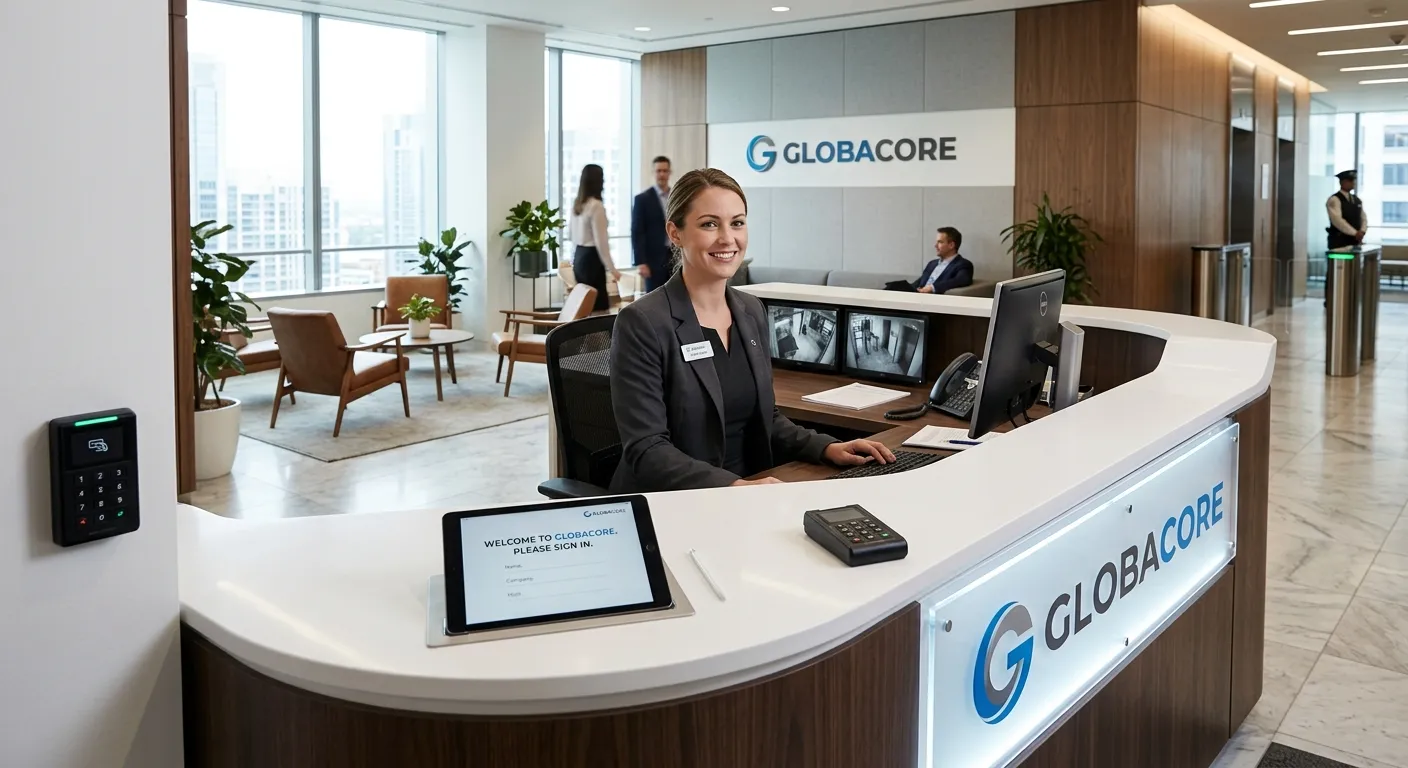
Your corporate reception is the nerve center of your business's first impression and its first line of defense. In an era of evolving physical and digital threats, a robust Corporate Reception Security strategy is non-negotiable. This comprehensive guide delves into the critical protocols, technologies, and staffing solutions you need to safeguard your assets, employees, and visitors, while ensuring a seamless and professional welcome. Whether you're looking to fortify an existing setup or establish new protocols, understanding the intersection of hospitality and security is paramount.
Core Pillars of Reception Security: An Interactive Overview
Effective security is multi-layered. Explore the key categories that form the foundation of a secure corporate reception.
Physical Security & Access Control
The tangible barriers and controls that prevent unauthorized entry. This involves designing the reception area itself as a controlled funnel.
- Reception Desk Design: A raised or fortified desk that provides a physical barrier and clear sightlines, while still being welcoming.
- Mantrap Vestibules: A secure entry sequence of two interlocking doors, preventing tailgating into sensitive areas.
- Badge & Biometric Systems: Implementing RFID card readers, keypads, or fingerprint scanners for employee access beyond the reception.
- Visitor Management Systems (VMS): Digital logbooks that print temporary badges, capture photos, and notify hosts, replacing insecure paper logs.
- Strategic Layout: Positioning the reception to oversee all entry and exit points, with controlled pathways to lifts and stairs.
Personnel & Operational Procedures
Your security technology is only as good as the people operating it and the rules they follow. Consistent, trained personnel are critical.
- Receptionist Training: Specialized training in conflict de-escalation, identifying suspicious behavior, emergency lockdown procedures, and data privacy.
- Clear SOPs: Standard Operating Procedures for every scenario: unexpected visitors, delivery personnel, emergency evacuations, and after-hours access.
- Staffing & Vigilance: Ensuring the desk is never left unattended. For businesses needing flexibility, exploring Remote Receptionist solutions can provide continuous coverage.
- Background Checks: Mandatory for all reception staff, given their access to sensitive information and control over entry.
- Incident Reporting Protocols: A clear, confidential chain for reporting security concerns or breaches.
Technology & Systems Integration
The digital nervous system that monitors, records, and manages security, often working silently in the background.
- IP CCTV with Analytics: High-definition cameras covering the reception, lobby, and entrances, with motion detection and facial recognition capabilities.
- Panic Buttons: Discreet, easily accessible buttons under the reception desk to silently alert security or police.
- Integrated Communication: Linking the VMS with internal communication tools like Slack or Teams for instant host notifications.
- Cybersecurity for Access Systems: Ensuring all digital access points (Wi-Fi, VMS terminals) are hardened against cyber attacks.
- AI-Powered Monitoring: Emerging AI can analyze video feeds in real-time to flag unusual loitering or abandoned objects.
Key Benefits of a Robust Security Reception
Investing in comprehensive Corporate Reception Security yields tangible returns far beyond simple theft prevention.
Asset & People Protection
Directly prevents theft, vandalism, and unauthorized access to sensitive areas. It protects employees from harassment and visitors from harm, creating a duty-of-care compliant environment. This is especially crucial in sectors like healthcare, where a Medical Receptionist manages both patient privacy and physical safety.
Enhanced Professional Reputation
A secure, smoothly-run reception signals competence, stability, and respect for stakeholders. It assures clients, investors, and partners that their safety and confidentiality are taken seriously, directly impacting business credibility and attracting higher-caliber talent.
Risk Mitigation & Liability Reduction
Comprehensive logs from VMS and CCTV provide irrefutable evidence in the event of an incident, protecting the company from false claims. It also demonstrates due diligence to insurers, potentially lowering premiums. Proper procedures for Building Services Maintenance personnel access are a key part of this mitigation.
Hiring for Security-Conscious Reception Roles
Finding the right person is half the battle. A receptionist in a security-sensitive role needs a unique blend of soft skills, technical aptitude, and vigilance. When searching for"receptionist positions near me," look beyond basic administrative skills.
Essential Skills & Attributes to Vet For:
- Observational Acuity: The ability to notice details – a mismatched ID photo, nervous behavior, or an unattended bag.
- Calm Under Pressure: Maintaining composure and following protocols during emergencies or confrontational situations.
- Discretion & Integrity: Handling sensitive visitor data and internal information with absolute confidentiality.
- Technical Proficiency: Comfort with VMS software, access control systems, and multi-line phone systems.
- Communication Excellence: Ability to enforce policies firmly yet politely, and to communicate clearly with security teams.
- Proactive Mindset: Anticipating potential issues before they escalate, rather than just reacting.
Partnering with a specialized staffing agency can streamline this vetting process. For example, if you're looking for talent in key commercial hubs, services like those for Recruitment Jobs in Leeds or Find Top Recruitment Talent in [City] can connect you with pre-screened candidates who understand regional business environments and security needs.
Pro-Tip: Scenario-Based Interviewing
Move beyond standard questions. Present candidates with realistic scenarios:"A person without an appointment insists on seeing the CEO and becomes agitated," or"The visitor management system crashes during a busy period." Their thought process and proposed actions will reveal their security mindset and problem-solving skills far more effectively than a generic resume.
Integrating Telephony Security
The front desk phone is a critical, yet often overlooked, security vector. Social engineers often target reception to glean internal information or manipulate staff. Training must include telephone security protocols. For overflow or after-hours coverage, a secure Live Phone Answering Service that is briefed on your security protocols can be a valuable extension of your team, ensuring no suspicious call goes unmanaged. Similarly, understanding the differences between Automated vs Live Answering helps you choose the right mix for security and efficiency.
The Future: AI in Reception & Call Security
How is artificial intelligence shaping the future of secure front desk operations, both physically and over the phone?
As explored in the video, data privacy is paramount. This principle applies directly to your on-site VMS and CCTV systems as well. Ensuring your Corporate Reception Security tools are compliant with regulations like GDPR is a critical component of a modern strategy.
Creating a Culture of Security
Security cannot be the sole responsibility of the receptionist. It requires a top-down culture where every employee understands their role. This includes:
- No Tailgating Policy: Employees must badge in individually and not hold doors for unknown persons.
- Challenging Strangers: Empowering all staff to politely challenge unbadged individuals in secure areas.
- Reporting Obligations: Making it easy and expected for employees to report lost badges or suspicious activity.
- Regular Drills: Conducting surprise security drills to test reception and overall staff response.
This holistic approach turns your workforce into a distributed sensor network, significantly amplifying the effectiveness of your formal Corporate Reception Security measures. For businesses managing large or dispersed teams, such as those needing Healthcare Assistant Jobs in Bolton, consistent security culture training across all locations and roles is essential.
Corporate Reception Security FAQ
Quick answers to the most common questions about securing your corporate front desk.
While it's a combination, a robust Visitor Management System (VMS) is arguably the highest-impact starting point. It replaces insecure paper logs, digitally tracks who is in the building, prints temporary badges, automatically notifies hosts, and creates an audit trail. It formalizes the visitor process, making it harder for unauthorized persons to slip through.
Conduct a penetration test from a security perspective. Have a trusted colleague (unknown to the receptionist) attempt to gain unauthorized access by tailgating, posing as a delivery person without paperwork, or calling with a social engineering pretext. Review CCTV footage to see if blind spots exist. Audit your visitor logs for completeness. Finally, interview your reception staff about their biggest security concerns – they are your frontline experts.
Not inherently, but they introduce different risk vectors that must be managed. The key is choosing a reputable provider with strong data security certifications (like ISO 27001), conducting thorough background checks on their agents, and providing them with strict, scripted protocols for handling sensitive information. They are excellent for call answering and basic scheduling but should be integrated carefully with physical access control. For many, a hybrid model using a Best Virtual Answering Service for overflow calls and a physical presence for lobby management is the optimal balance.
Our resource center contains detailed guides on various aspects of staffing and operational security. For broader questions on temporary staffing logistics that impact security (like ensuring shift coverage), our main FAQ is a valuable resource. For industry-specific insights, such as in the legal sector, you might explore resources related to Property Solicitors who often handle highly sensitive client meetings.
Fortify Your First Line of Defense Today
A secure reception is not an expense; it's an investment in your company's safety, reputation, and smooth operation. Whether you need to hire rigorously vetted reception staff, implement new security technologies, or audit your existing protocols, taking proactive steps is crucial.
Need immediate coverage? Discover how our Call Answering Service London and nationwide networks can provide secure, professional telephony support as part of your integrated security strategy.
Real-World Threat Scenarios and Reception Response Playbooks
A security plan is only tested when an unusual situation occurs. The following scenarios highlight how a well-prepared front desk can prevent minor disruptions from escalating into serious incidents. Each playbook should be rehearsed during induction training and reviewed quarterly.
Tailgating and Piggybacking
A visitor waits near the entrance and follows an employee through a door before it closes. The receptionist should politely interrupt, request identification, and confirm the visitor’s appointment. If the person cannot provide a valid reason for entry, the host should be contacted immediately. For high-risk environments, turnstiles or mantrap vestibules should be configured to detect and alert on simultaneous badge reads.
Delivery and Contractor Impersonation
An individual arrives claiming to have a package for a senior executive, wearing generic branding and insisting on immediate handover. The receptionist should verify the sender, confirm the delivery address, and request a work order for contractors. Packages should not be accepted for confidential items unless pre-approved. If the visitor becomes aggressive, the desk should activate a discreet alert rather than confront the person alone.
Hostile or Distressed Visitor
A person enters the lobby visibly agitated, refusing to sign in or demanding access to a private area. The receptionist should maintain a neutral tone, avoid blocking escape routes, and move to a position that allows safe communication with security. In sensitive sectors, such as healthcare, staff may be more emotionally vulnerable, so de-escalation training and panic button placement are essential. The goal is to reduce stimulation, not to win an argument.
Suspicious Package or Unattended Item
A bag appears near the entrance without an identifiable owner. The receptionist should avoid touching or moving the item, maintain distance, and notify facilities or security immediately. If the item looks hazardous, the lobby should be cleared using a calm, scripted announcement. Reception staff should know which exits are safe and which routes to avoid if the package is near HVAC intakes or electrical panels.
Digital Pretexting and Phone Manipulation
A caller claims to be from IT support, a courier service, or a senior executive’s assistant and requests internal details such as room numbers, staff schedules, or visitor names. The receptionist should never confirm personal or operational information over the phone without authentication. A simple verification protocol—callback, manager approval, or ticket number—can prevent unauthorized disclosure. Social engineering attacks often target the reception desk because it combines access to people, data, and physical space.
Case Studies: How Security-Conscious Reception Practices Made a Difference
Theory becomes clearer through practice. These anonymized examples show how different organizations improved safety, compliance, and visitor experience by strengthening reception protocols.
Financial Services Firm: Preventing Data Leakage
A regional financial services office noticed that clients were leaving printed documents at the reception desk while waiting for appointments. The company introduced a “clear desk” rule for visitors, redesigned the waiting area with document lockers, and trained reception staff to politely request that sensitive papers be stored or returned. They also upgraded the visitor system to require photo ID before issuing badges. Within three months, document exposure incidents dropped sharply, and auditors cited the reception area as a model for operational control.
Legal Practice: Protecting Confidential Meetings
A law firm with high-profile client meetings struggled with visitors wandering into unauthorized conference rooms after being told to “wait on the second floor.” The firm introduced host-escort-only movement, color-coded floor access, and a quiet alarm on the visitor system if a badge was used at an unapproved entrance. Reception staff also began using a scripted message for unannounced walk-ins. The change reduced accidental exposure to confidential discussions and improved client confidence in the firm’s professionalism.
Technology Startup: Balancing Open Culture and Security
A fast-growing tech startup wanted to maintain a friendly, open office but needed better protection for hardware and intellectual property. Instead of installing intimidating barriers, they created a layered approach: a welcoming reception with discreet badge readers, a separate check-in process for vendors, and a temporary “guest zone” with limited network access. The receptionist was trained to recognize social engineering cues, such as visitors asking too many questions about internal teams. The result was a secure environment that still felt inviting to employees and clients.
Healthcare Facility: Managing Public and Patient Flow
A healthcare office experienced frequent interruptions when members of the public entered while patients were being treated. The facility separated public and patient entrances, added a secondary reception point for appointment-only patients, and trained front desk staff to identify emergency situations quickly. They also implemented a privacy screen and a strict visitor sign-in process. These changes reduced wait-time disruptions, improved patient confidentiality, and allowed the reception team to focus on clinical support rather than crowd control.
Lesson From the Field
In every case, the most effective improvements were not simply more cameras or stricter rules. They were clearer pathways, consistent communication, and reception staff who understood why each protocol existed. Security works best when it feels procedural, not personal.
A Practical 30-60-90 Day Reception Security Roadmap
If you are starting from a basic reception setup, a phased approach prevents overwhelm and ensures sustainable implementation. Use this roadmap to move from assessment to measurable improvement.
- Walk the visitor journey from arrival to departure and note every access point, blind spot, and handoff.
- Review current visitor logs, contractor records, and badge issuance procedures for gaps.
- Install or test a panic button and confirm response times with security or local authorities.
- Brief reception staff on immediate rules: no tailgating, no unverified deliveries, and no disclosure of internal information.
- Create written SOPs for visitors, deliveries, contractors, after-hours access, and emergency lockdown.
- Introduce scenario-based training so staff can practice responses before incidents occur.
- Upgrade the visitor management system to include photo capture, host notification, and temporary badge printing.
- Coordinate with HR, IT, and facilities to align reception procedures with broader compliance requirements.
- Track near-miss incidents, unauthorized access attempts, and visitor complaints related to security.
- Conduct a controlled audit to test whether staff follow badge, escort, and reporting procedures consistently.
- Refine signage, lighting, and layout based on what was learned during the first two phases.
- Establish a quarterly review cycle so security protocols evolve with staffing, technology, and threat patterns.
This roadmap is especially useful for organizations transitioning from informal reception practices to a formal security posture. It avoids the common mistake of buying technology before processes and people are ready to use it effectively.
Key Performance Indicators for Measuring Reception Security
Security should not be judged only by whether an incident occurs. Leading indicators help you understand whether your controls are working before a problem escalates.
Operational Metrics to Track
- Visitor sign-in completion rate: How many visitors are fully logged versus bypassing the process.
- Badge issuance accuracy: Whether temporary badges match the correct floor, area, and duration.
- Incident reporting time: How quickly staff escalate suspicious behavior or security gaps.
- Lockdown drill response time: How long it takes to secure the lobby and account for occupants.
- Unattended item reports: The number and quality of proactive alerts raised by reception or staff.
- Visitor complaint themes: Whether security procedures create confusion, delays, or friction that can be improved.
What These Metrics Reveal
A high sign-in completion rate may suggest strong compliance, but if incident reports are low, staff may not feel empowered to challenge visitors. Conversely, a sudden increase in reported tailgating attempts could mean awareness is improving, not that security is failing.
The goal is to build a culture where reporting is normal and metrics are used to improve training, layout, and response protocols. Reception security is most effective when it is visible to leadership, understood by staff, and continuously measured.
Compliance, Data Privacy, and the Reception Desk
Modern reception security collects sensitive information: visitor names, photos, badge numbers, host details, times of entry, and sometimes biometric data. This makes the front desk a privacy control point, not just a security control point.
Visitor Data Governance
Visitor systems should retain data only for the period required by law or insurance policy. Staff must know how to respond when a visitor asks what information is stored, who can access it, and how long it remains on file. Clear signage and simple privacy notices reduce confusion and build trust.
CCTV and Recording Rules
Cameras should cover entrances, reception, and high-risk areas without intruding into private spaces such as restrooms or counseling rooms. Footage access should be role-based, and requests for recordings should follow a documented chain of approval. This protects both the business and the individual being recorded.
Biometric and ID Verification
If fingerprint or facial recognition is used, employees and visitors should understand what data is captured, how it is encrypted, and whether it can be revoked. In many jurisdictions, biometric data carries stricter legal obligations than standard ID records.
Remote and Outsourced Staffing
When using remote reception or answering services, confirm that providers have clear data-handling policies, secure call recording, and agent authentication protocols. A trusted provider should be able to explain how your information is protected, where it is stored, and who can access it.
For organizations in regulated industries, compliance should be built into reception procedures from the start. If a security incident later becomes a legal or regulatory matter, the quality of your documentation, access logs, and staff training records can make the difference between defensible practice and avoidable liability.