
Receptionist Positions Near Me: Find Local Front Desk Talent and Hire Staff Today
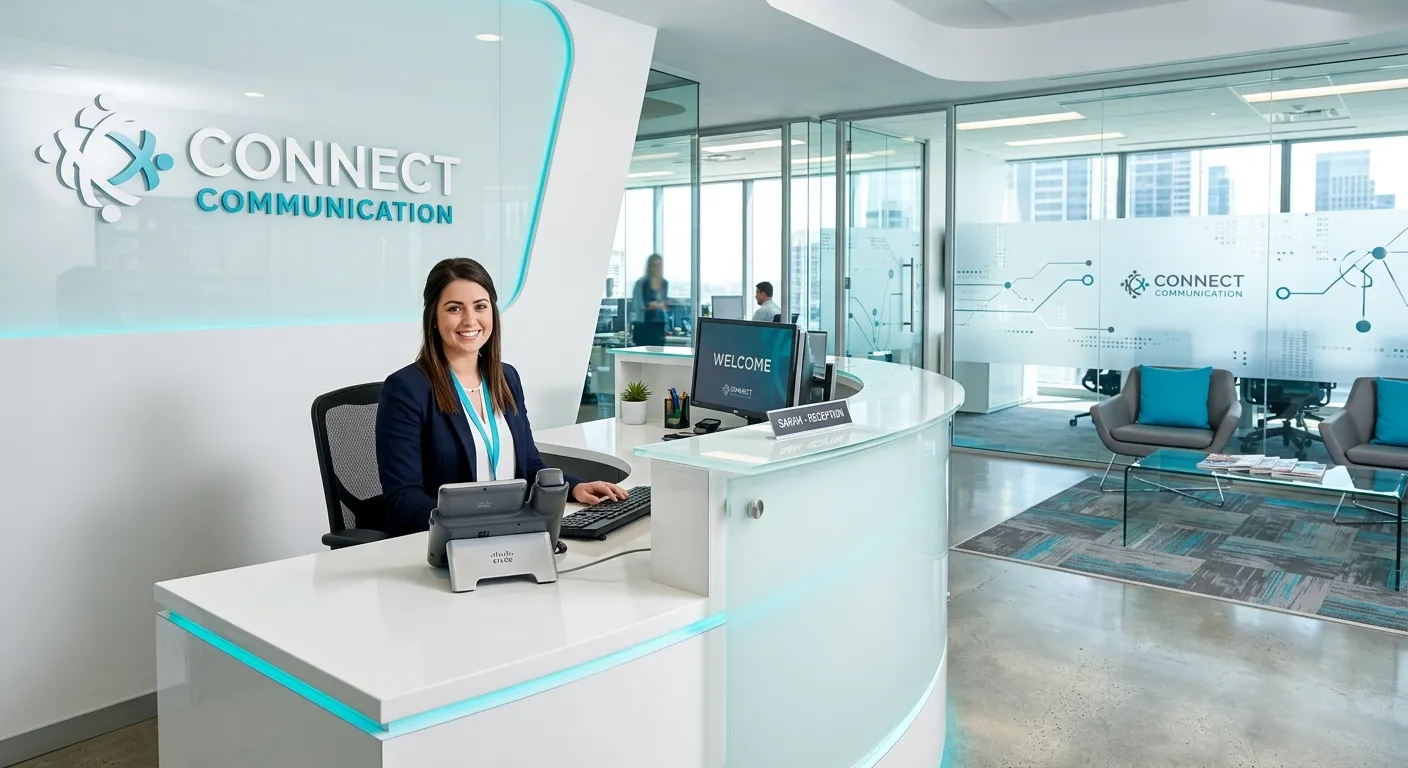
Finding reliable front-desk talent close to home can transform how a business operates every day. Receptionist Positions Near Me are in steady demand because offices, clinics, showrooms, law firms, and corporate buildings need someone who can greet visitors, answer calls, manage schedules, and protect the first impression of the brand. Whether you are a job seeker looking for a local role or an employer trying to hire staff today, this guide explains what to search for, how to evaluate candidates, and how to combine in-person reception with modern phone answering support.
This article covers common receptionist job types, practical hiring advice, salary considerations, Corporate Reception Security, and a step-by-step checklist for making a confident appointment. It also includes a FAQ section and a direct hiring call to action so you can post a job, review applicants, and move quickly.
About Local Receptionist Roles
Receptionists are the face and voice of an organisation. In small businesses, the role blends administration, customer service, call handling, and basic security awareness. In larger offices, duties may be split between front desk staff, switchboard operators, and reception supervisors. When searching for Receptionist Positions Near Me, remember that a strong local hire is not just someone who sits at a desk. They manage visitor flow, screen deliveries, support meetings, maintain records, and ensure every caller feels heard.
Job seekers should consider the setting before applying. A medical receptionist needs different skills from a corporate receptionist. A hospital receptionist may work under higher pressure and stricter confidentiality rules. A remote receptionist needs excellent phone discipline and digital organisation. Explore related roles through Receptionist, Medical Receptionist, Hospital Receptionist, and Remote Receptionist pages to compare duties, salaries, and expectations.
For many organisations, the reception desk is part of a wider communication system. If you cannot find enough local candidates or need cover during holidays, Business Calls Answering Services can bridge the gap. They handle missed calls, after-hours enquiries, and appointment booking while in-person staff maintain the physical welcome.
Interactive Overview: Common Receptionist Categories
Use the tabs below to compare the main types of Receptionist Positions Near Me and see which role fits your business or career goals.
In-Person Receptionist Roles
In-person front desk roles are the most common search when candidates type Receptionist Positions Near Me. These staff work at the entrance of an office, clinic, showroom, hotel, or service centre. Their duties include welcoming visitors, directing them to meetings, handling calls, sorting deliveries, updating calendars, and supporting administration. Employers value punctuality, calm communication, and local knowledge because these staff are often the first point of contact.
For job seekers, this role suits people who enjoy face-to-face interaction and a stable routine. For employers, it works best with regular foot traffic and physical access control. It is also where Corporate Reception Security is most visible, as receptionists monitor badges, report suspicious activity, and protect staff.
Medical & Healthcare Reception
Medical and healthcare receptionist roles appear often in searches for Receptionist Positions Near Me because clinics, GP practices, dental surgeries, and care providers need constant front-line support. These staff manage patient appointments, answer sensitive calls, update records, process payments, and coordinate with nurses, doctors, and administrators. The role demands accuracy, empathy, and discretion, especially with patient information or anxious visitors.
Employers should look for candidates who understand local health services, handle high call volumes, and remain calm. Job seekers should highlight appointment systems, confidentiality, triage awareness, and patient communication. If a practice cannot hire locally, virtual answering services can support phone overflow while maintaining a professional tone. Healthcare roles still require careful data protection.
Corporate Reception & Access Control
Corporate reception roles suit offices that want a polished visitor experience combined with stronger security controls. Candidates often work in professional buildings, law firms, financial institutions, or shared offices where access management is essential. Duties may include visitor registration, badge issuing, escorting guests, screening deliveries, managing switchboards, and supporting facilities teams. Employers searching for Receptionist Positions Near Me in corporate settings should prioritise reliability, professional appearance, calm judgement, and security awareness.
Corporate Reception Security is not only about guarding a door. It includes protecting staff from unwanted visitors, controlling access to sensitive areas, recording logs, and escalating incidents. A strong corporate receptionist makes a building safer while still feeling welcoming. For high-traffic offices, pairing front desk staff with phone answering support can reduce interruptions.
Remote & Virtual Reception Options
Remote and virtual receptionist options are increasingly relevant when local hiring is slow, seasonal, or budget-sensitive. These roles may answer calls, book appointments, qualify leads, or manage inbox support from home or a service centre. For job seekers, searches for Receptionist Positions Near Me may include hybrid or remote opportunities in customer service, administration, and call handling.
Virtual roles require strong technology, clear written communication, and reliable internet. Employers should test response times, phone manner, and ability to follow scripts or escalation rules. If your business needs immediate cover, consider remote answering services alongside your in-person team. The best setup often combines local physical presence for visitors and remote support for calls.
Modern Reception Support in Practice
Many employers now combine local reception staff with smart phone support. This helps them handle missed calls, after-hours enquiries, and high call volumes without overloading the front desk. The result is a smoother visitor experience and stronger communication across the business.
Use the video below to see how AI receptionist technology can support small businesses and recruitment teams by answering calls more efficiently.
Key Benefits of Hiring Local Reception Staff
Local reception hires can improve daily operations in practical, measurable ways.
Faster Hiring
Candidates who live nearby can attend interviews quickly, start sooner, and understand local transport patterns, reducing vacancy gaps.
Stronger First Impressions
A professional receptionist creates a welcoming lobby, handles calls calmly, and ensures visitors feel valued from the first interaction.
Better Communication
Reception staff coordinate visitors, phone enquiries, emails, meetings, and deliveries, keeping information flowing across teams without delays.
Reduced Team Stress
When one person manages the front desk, other staff can focus on production, sales, patient care, or client work.
Corporate Reception Security
Trained receptionists control visitor entry, maintain sign-in logs, screen deliveries, and escalate incidents before they become bigger risks.
Flexible Hiring Models
You can combine full-time, part-time, temporary, remote, or answering service support to match budget, seasonality, and coverage needs.
How to Search for Receptionist Positions Near Me Effectively
Searching effectively means matching the job to the workplace, not just the postcode. A front desk candidate for a small office may answer phones, manage mail, and support bookkeeping, while a corporate building may need stricter access control and visitor management. Before applying or posting a job, decide which duties are essential and which can be handled by software or answering services.
Employer Search Tips
For employers, write a clear job description with title, hours, salary range, location, core duties, required software, security expectations, and growth opportunities. Mention call volume if the role includes switchboard duties.
Job Seeker Search Tips
For job seekers, tailor your CV to show measurable experience: number of calls handled, visitors managed, appointment systems used, and customer satisfaction achievements. Use filters such as distance, salary, job type, remote or hybrid, start date, and employer size. Search terms like front desk assistant, office receptionist, switchboard operator, medical reception, and corporate reception can reveal more relevant openings. Mention proximity and availability, because local knowledge often makes hiring conversations faster.
Pro Tip: If you cannot find suitable local candidates, consider temporary cover, a temp agency, or a phone answering service while you continue searching for a permanent hire.
What Employers Should Look for in Local Reception Staff
Reception candidates should be assessed beyond appearance and punctuality. The best local hires combine practical administrative ability with emotional intelligence. Ask about conflict resolution, telephone etiquette, confidentiality, and how they handle interruptions. A structured interview with role-play scenarios can reveal whether someone can manage a busy lobby while answering an urgent call.
Core Competencies to Assess
Look for core competencies: clear speech, accurate typing, calendar management, visitor handling, basic security awareness, discretion, problem-solving, and confidence with technology. Also assess reliability, because reception roles often require early starts, holiday cover, and last-minute changes.
Practical Tests
For Corporate Reception Security, ask about visitor screening, suspicious behaviour, emergency procedures, and data privacy. Use practical tests: a short typing task, email drafting exercise, calendar scheduling scenario, or simulated visitor enquiry. Choose someone who can be professional, approachable, and firm under pressure.
Corporate Reception Security: Protecting Premises and Data
Corporate Reception Security has become a central part of modern receptionist roles. The front desk is often the first line of defence for an office, clinic, or commercial building. Receptionists control visitor entry, issue badges, maintain sign-in logs, direct deliveries, and monitor who is allowed into specific areas. In sensitive industries, they also handle confidential enquiries and must know when to escalate.
Physical Security
Effective security is balanced with hospitality. A receptionist should be welcoming but vigilant. They should greet visitors warmly, ask clear identification questions, notify hosts, and never allow unsupervised access to restricted areas. Training should cover tailgating, unannounced inspections, delivery screening, lost visitors, and emergency evacuation. Regular drills and simple signage help staff follow policy without feeling awkward.
Data Security
Data security matters as well. Receptionists may access calendars, client lists, patient records, or employee details. They need to understand password hygiene, locked screens, document shredding, and privacy rules. If calls are routed to answering services, the provider must follow the same confidentiality standards. A law firm may need to screen clients and protect case files, while a medical practice may need to handle patient data and upset visitors.
Expert Insight: For job seekers, security awareness can be a major advantage. Mention experience with visitor management systems, emergency procedures, access cards, or confidential data. For employers, include security expectations in the job advert so you attract candidates who are comfortable with them.
Salary, Job Types, and Hiring Models
Pay for Receptionist Positions Near Me varies by location, industry, experience, and whether the role includes switchboard or security duties. In many UK markets, entry-level front desk roles may start near local junior administrative rates, while experienced corporate receptionists, medical receptionists, and security-aware receptionists can command higher salaries. London and major cities often pay more due to cost of living and higher visitor volume.
Common Job Types
Common job types include full-time, part-time, temporary, contract, hybrid, and remote. Full-time suits stable office needs. Part-time suits clinics or schools with peak hours. Temporary cover is useful for maternity, holidays, or sudden absence. Hybrid roles combine office presence with remote call handling. Remote reception suits businesses that need phone support more than physical greeting.
Cost and Pay Filters
Employers should calculate total cost: salary, National Insurance, pension, training, uniforms, software, and backfill. Use salary ranges as a filter. If you see Receptionist Positions Near Me with vague pay, ask for the range before investing time.
Step-by-Step Guide to Hiring or Applying Quickly
Employer Checklist
For employers, a fast hiring process starts with clarity. Write the job advert, identify non-negotiables, and post it where local candidates search. Use simple application questions to filter poor matches. Review CVs within 24 hours and schedule interviews quickly. Delayed responses lose strong candidates.
Screen for reliability, communication, and security awareness. Ask behavioural questions such as how the candidate handled an angry visitor or what they would do if someone tried to enter without an appointment. Onboard with structure: prepare access cards, phone directory, visitor log, email templates, and a buddy.
Candidate Checklist
For job seekers, apply with purpose. Tailor your CV, mention your commute, and include availability. Prepare examples of call volume, scheduling, visitor management, and problem-solving. Follow up politely after applying or interviewing. If local hiring is slow, consider temporary cover or answering services while continuing your search.
Frequently Asked Questions About Receptionist Positions Near Me
They usually involve greeting visitors, answering calls, managing calendars, handling mail, and supporting basic administration. The exact duties depend on the workplace, with medical, corporate, and remote roles having different requirements. Employers should clarify call volume, visitor numbers, software, and security expectations before hiring.
Post a clear job, use local filters, screen fast, and offer competitive pay. Temporary cover, agency staff, or answering services can fill gaps while you search for a permanent hire. Keep the application short and respond within 24 hours to avoid losing strong candidates.
Clear communication, organisation, calm problem-solving, technology confidence, and discretion are essential. For security-sensitive workplaces, visitor screening and emergency awareness are equally important. Employers should test phone manner, typing, scheduling, and how candidates handle interruptions rather than relying only on interviews.
It is the set of procedures used at the front desk to protect people, premises, and information. This includes visitor logs, badge control, access monitoring, delivery screening, and escalation rules. A strong receptionist balances hospitality with vigilance and follows policy consistently.
Neither is automatically better. Local roles suit physical visitor management. Remote roles suit phone and inbox support. Many businesses use a hybrid model for coverage and cost control. The right choice depends on foot traffic, call volume, security needs, and budget.
Choose direct hiring when foot traffic and in-person security are central. Choose an answering service when call volume, after-hours cover, or budget constraints are the main issue. Combining both can be ideal, giving you a local welcome and reliable phone support.
Include reception experience, call handling numbers, appointment systems, visitor management, software skills, and any security or confidentiality training. Use clear, concise bullet points and mention availability, commute, and relevant local knowledge. Tailor the CV to the exact job type.
Standardise visitor sign-in, use clear call routing, create email templates, keep a daily task list, and train staff on escalation. Small process improvements reduce interruptions and improve accuracy. Review the system monthly and ask reception staff what causes delays.
Hire Receptionist Staff Today
If you are ready to fill a front desk vacancy quickly, post a job and start receiving local applications. Clear hiring helps you attract reliable candidates, reduce gaps, and strengthen Corporate Reception Security. If you need immediate cover, consider temporary staff or answering services while you build a long-term team.
Post a Job Now