
Call Centre Staff Transport: Reliable, Secure, and Ready-to-Hire Solutions for Modern Contact Centres
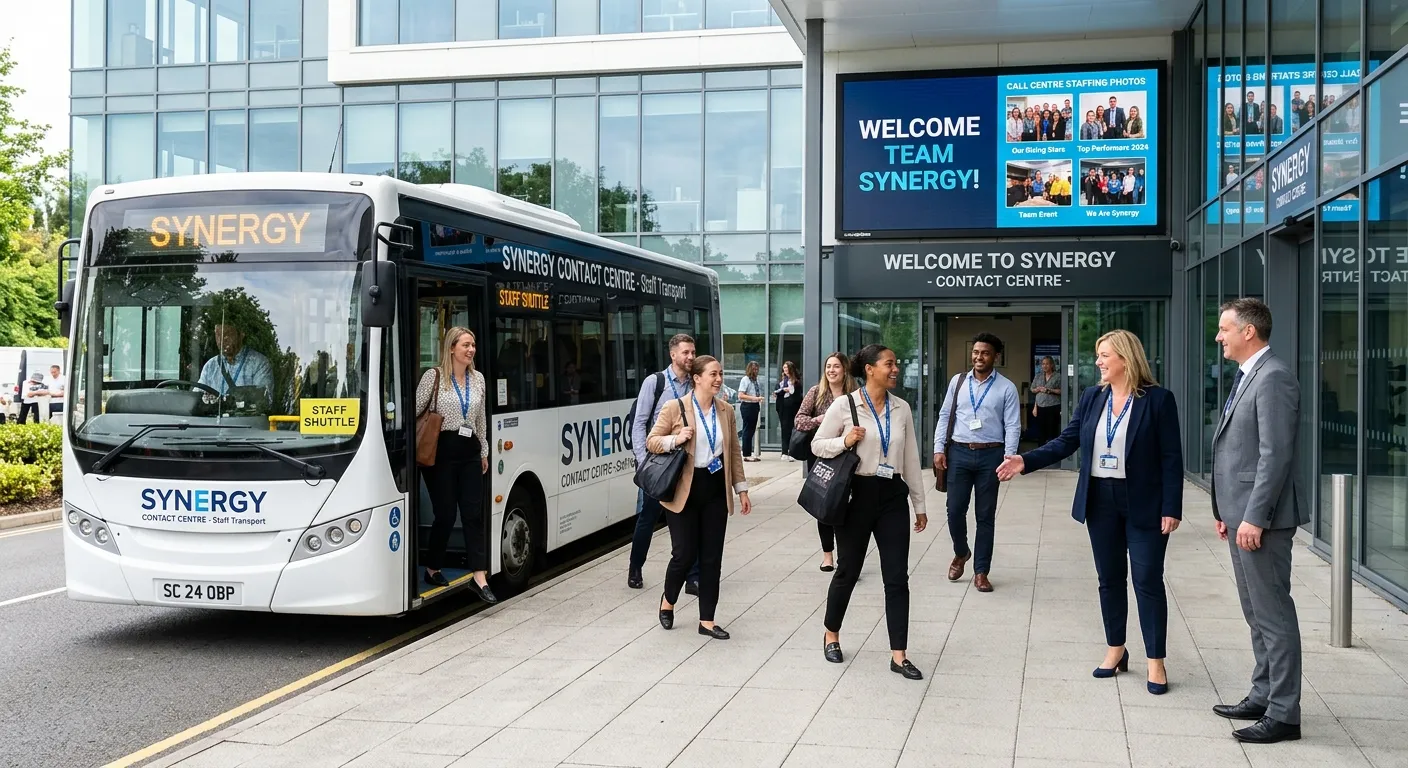
SEO Title: Hire Secure Call Centre Staff Transport Services Today | Fast, Flexible, and Fully Managed. SEO Description: Explore expert Call Centre Staff Transport planning, compare transport options, view Call Centre Staffing Photos, and hire dependable agents quickly through Phone Direct.
Call Centre Staff Transport is more than logistics; it is the bridge between a contact centre’s promise of service and the people who deliver it. When agents arrive on time, rested, and connected, customer queues stabilize, service levels improve, and managers spend less energy firefighting. This guide explains how to design transport-supported staffing models, choose flexible routes, use Call Centre Staffing Photos to build confidence, and hire trained staff quickly when demand spikes. Whether you run a 24/7 operations floor, a seasonal overflow centre, or a hybrid support hub, the right transport and staffing plan protects uptime and reputation.
About Call Centre Staff Transport
Call Centre Staff Transport refers to the movement, scheduling, and support arrangements that help contact centre employees, supervisors, and specialist agents reach the workplace safely and predictably. In many UK and international operations, transport is not a separate expense; it is part of workforce reliability. A late shuttle, a poorly timed shift, or an unsafe route can turn a fully staffed roster into an empty floor.
The best programmes combine employee transport, shift planning, remote options, and rapid hiring. For example, if your centre relies on night agents, a dedicated transport pool may reduce absenteeism. If your centre uses part-time weekend agents, a scheduled pickup can improve punctuality. If you are scaling into a new market, transport planning must happen alongside recruitment, onboarding, and technology readiness.
Phone Direct supports this wider staffing ecosystem through call answering, recruitment, and customer support services. When teams are searching for Call Answering Service Jobs in city, they often need more than a vacancy—they need a route to work, a shift pattern that fits, and a manager who understands operational pressure. That is why transport planning should be linked to hiring, not treated as an afterthought.
A strong model also uses visual trust. Call Centre Staffing Photos can show candidates what the workplace looks like, reinforce safety expectations, and help managers identify who is on site. When photos are used ethically and with consent, they support recruitment branding without compromising privacy.
Interactive Overview: Call Centre Staff Transport Categories
Employee Transport
Employee Transport is the most common form of Call Centre Staff Transport. It includes shuttle buses, contracted minicabs, carpool schemes, timed drop-offs, and return routes aligned with shift handovers. The goal is simple: ensure agents can start on time without stress. For 24/7 centres, night and early-morning routes are especially important. A well-designed employee transport plan reduces lateness, improves morale, and supports retention. It should include clear pickup points, weather contingency plans, and a communication channel that lets agents know if a vehicle is delayed. When transport is predictable, staffing becomes predictable. Managers can track punctuality by route and identify transport-related absences before they affect service levels.
Supervisor & Management Transport
Supervisors, team leaders, and operations managers need a different transport approach. They often move between floors, meet clients, or respond to incidents. Their Call Centre Staff Transport should be flexible, fast, and secure. Priority taxi accounts, shared executive shuttles, and safe late-night return options can reduce fatigue and improve decision-making. A good transport plan for management also protects continuity: if a supervisor cannot reach the site, the floor may lack escalation cover. This is why transport should be included in business continuity planning. For centres hiring leaders through Recruitment Jobs in Leeds, transport expectations should be discussed early, especially for shift-based roles that require consistent on-site presence.
Remote/Hybrid Staffing
Remote and hybrid staffing changes transport planning rather than removing it. Some agents may only travel for training, team meetings, or quality reviews. Others may use a hub-and-spoke model, working from home for routine calls but commuting during peak campaigns. In these cases, Call Centre Staff Transport becomes a targeted cost, not a daily expense. It should align with attendance schedules and peak demand. For example, a centre using Remote Customer Support Jobs Doncaster may need transport only for induction weeks or seasonal surges. The key is to offer flexibility while maintaining service standards. Clear policies, digital scheduling, and occasional group transport can keep remote teams connected without unnecessary commuting.
Emergency & Overflow Staffing
Emergency staffing requires rapid transport. When call volumes spike due to outages, promotions, weather events, or unexpected absence, managers may need temporary agents on the floor within hours. This is where a pre-agreed Call Centre Staff Transport plan proves valuable. It may include standby drivers, local agency pools, or partnerships with a Top Cedar Rapids Temp Agency when remote hiring is not enough. For overflow centres, transport must be simple: designated pickup zones, clear shift start times, and a single point of contact. Speed matters, but safety should never be compromised. The best programmes prepare in advance so that urgent hiring does not become chaotic hiring.
Key Benefits of Call Centre Staff Transport
On-Time Attendance
Reliable transport reduces lateness and unplanned absence. When agents know exactly when and where to arrive, the floor can open on schedule. This is critical for time-sensitive queues and first-call resolution targets. A predictable commute removes one of the biggest daily uncertainties for part-time and night-shift staff.
Lower Attrition
Transport support signals that the employer cares about the whole employee experience, not just the phone queue. Staff who feel safe, punctual, and valued are more likely to stay. This reduces recruitment costs and protects training investment. For centres hiring through competitive markets, a transport allowance can be a deciding factor in accepting an offer.
Better Service Levels
When staffing is stable, managers can focus on quality, coaching, and customer experience rather than chasing replacements. Call Centre Staff Transport supports smoother handovers, fewer short-notice absences, and more consistent agent performance. That consistency directly improves average speed of answer and customer satisfaction. It also makes forecasting easier because transport-related disruptions can be measured and corrected.
Deep-Dive Guidance for Managers
1. Designing Transport Around Shift Patterns
Transport should be built around the shift calendar, not the other way around. Start by mapping every roster: early starts, late finishes, split shifts, weekend blocks, and holiday cover. Then identify the pinch points: routes where multiple agents leave together, sites with poor public transport, and shifts that end when local buses stop running. A good Call Centre Staff Transport plan may combine fixed shuttles with flexible on-demand cabs. It should also include buffer times so that a single delay does not cascade into multiple missed shifts. Managers should review route performance monthly, using data from clock-in systems, absence records, and agent feedback. If a route consistently underperforms, change it before it becomes a staffing problem. For 24/7 operations, consider staggered pickups so that one vehicle can serve multiple teams without overcrowding. For part-time staff, offer a guaranteed return option so they know they can leave safely after evening calls. For temporary staff, provide a simple welcome pack with pickup codes, site maps, and contact numbers. These small details reduce confusion and improve first-day experience.
2. Safety, Compliance, and Duty of Care
Call Centre Staff Transport is not only operational; it is legal and ethical. Employers have a duty of care to ensure journeys are safe, especially for night workers and lone travelers. Contracts with transport providers should include driver vetting, vehicle maintenance, insurance, incident reporting, and data handling. If employees use personal vehicles, policies should cover mileage, parking, fatigue, and weather risks. Managers should also consider accessibility. A route that excludes disabled staff or creates unsafe waiting areas is not a complete solution. In regulated environments, transport arrangements may need to align with health and safety audits, employment law, and site security standards. Documentation is essential: keep records of approved providers, journey logs, and emergency contacts. For Call Centre Staffing Photos, obtain explicit consent and avoid publishing images that identify routes, home addresses, or vulnerable staff. Use privacy-safe branding: staff can appear in training materials or recruitment pages if they opt in, but images should not expose personal data. A transparent safety message improves trust and reduces anxiety for new starters.
3. Using Staffing Photos and Digital Onboarding
Modern contact centres increasingly use visual tools to reduce uncertainty. Call Centre Staffing Photos can support recruitment, training, and site orientation when handled responsibly. A simple photo wall showing team leaders, safety signage, and transport pickup points can help new starters feel prepared. It also reinforces accountability: staff know who is on shift and where to find support. However, photos must be governed by clear consent, retention, and privacy rules. Managers should avoid using images that reveal personal schedules or exact commuting times. Digital onboarding can go further by combining transport schedules, shift calendars, and site maps into one portal. This is especially useful for temporary staff or remote agents who may visit only occasionally. When candidates see a professional, welcoming environment, they are more likely to accept an offer and arrive ready to contribute. Pair this with a quick-dial support number so agents can report delays or safety concerns immediately. That simple connection between transport, technology, and people management improves reliability.
Pro Tip
Treat transport as part of the employee value proposition. When listing jobs, mention safe night return, predictable shifts, and a clear site map. It can increase applicant quality and reduce no-shows.
Expert Insight
The most resilient contact centres build transport, staffing, and answering services into one operational plan. That way, when a route fails or demand spikes, the response is already defined.
Video Insight: Call Centre Operations and Staffing
Watch how call centre operations, AI phone answering, and staffing technology are evolving for modern contact centres.
Compare Call Centre Staff Transport and Hiring Options
Essential Transport
Best for fixed rosters and smaller centres. Includes scheduled pickup points, a simple timetable, and manual roster coordination. It is cost-effective but requires managers to monitor punctuality closely.
Hire Staff TodayManaged Transport
Combines transport with staffing coordination. Includes shift planning, route monitoring, replacement support, and a named account contact. This option suits growing centres that need reliability without full 24/7 complexity.
Hire Staff Today24/7 Rapid Transport
Built for emergency overflow, night operations, and high-volume campaigns. Includes standby vehicles, rapid temporary hiring, incident response, and round-the-clock communication. Ideal when service levels cannot wait for next-day recruitment.
Hire Staff TodayFrequently Asked Questions About Call Centre Staff Transport
Ready to Hire Reliable Call Centre Staff Transport Solutions?
Call Centre Staff Transport works best when it is connected to recruitment, shift planning, and customer service operations. If your centre needs dependable agents, safe journeys, and fast replacement support, Phone Direct can help you build a practical staffing plan. Review your routes, update your onboarding materials, and use Call Centre Staffing Photos to attract candidates who want a stable workplace. When demand rises, do not wait for the next shift to become a crisis. Hire Staff Today and connect your transport strategy to a recruitment process that is built for reliability, speed, and service excellence.
Hire Staff Today