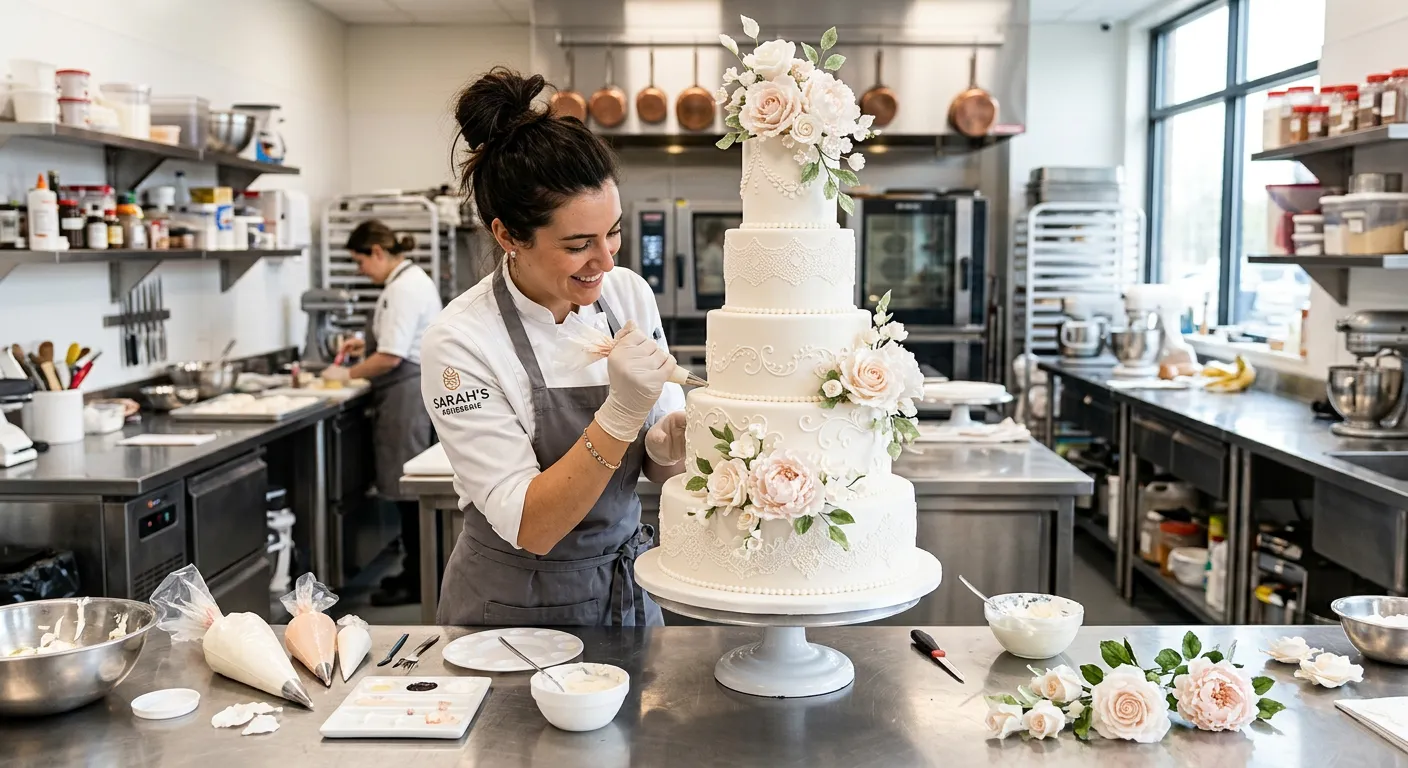
Craft Your Career: Unrivalled Pastry Chef Opportunities & Night Shift Staffing Solutions
The demand for skilled pastry artisans is soaring. Explore a comprehensive guide to landing your dream role, from boutique bakeries to 5-star hotels, and discover how strategic staffing, including night shift staffing, fuels the 24/7 culinary world. Find, apply, and excel.
Hire a Pastry Chef TodayNavigating the Sweet World of Pastry Careers
The pastry and bakery sector is a resilient and growing pillar of the hospitality and food service industry. Beyond the artistry, it's a dynamic field driven by consumer trends, seasonal demands, and the relentless pace of modern food service. Successful operations, from high-street patisseries to large-scale hotel banquet kitchens, rely on a blend of creative talent and operational precision.
A critical, often overlooked component is staffing continuity. Early morning bake-offs, late-night event preparations, and round-the-clock production in large facilities create unique Pastry Chef Opportunities that extend beyond the traditional 9-to-5. This is where effective night shift staffing becomes a competitive advantage, ensuring fresh goods are ready for the morning rush without overburdening daytime teams. Just as a business needs round-the-clock support for its communications, a kitchen needs round-the-clock talent for its production.
Understanding this landscape is the first step for both aspiring chefs and hiring managers. The opportunities are vast, but they require a strategic approach to recruitment and career development.
Pastry Chef Opportunities are not monolithic. They span a hierarchy of skill and responsibility:
- Commis Pastry Chef: The entry-level role, focused on learning fundamentals, prep work, and assisting senior chefs. Ideal for culinary graduates.
- Demi Chef de Partie (Pastry): A junior chef with some responsibility for a specific section, like desserts or breads.
- Chef de Partie (Pastry): Runs a specific pastry section independently, requiring solid technical skills and time management.
- Sous Chef (Pastry): The second-in-command, overseeing daily operations, managing the team, and stepping in for the Head Pastry Chef.
- Head Pastry Chef/Executive Pastry Chef: The creative and operational leader. Responsible for menu development, costing, inventory, hiring, and maintaining quality standards.
- Pastry Chef Consultant/Entrepreneur: Experienced chefs who work for themselves, developing products, consulting for restaurants, or running their own bakeries.
Specialized niches also abound, such as chocolate work (chocolatier), sugar artistry, wedding cake design, and vegan/gluten-free baking, each offering unique career paths.
For businesses, securing top pastry talent is crucial. A strategic hiring process involves:
- Crafting Compelling Job Descriptions: Go beyond listing duties. Highlight creativity, growth opportunities, and the unique aspects of your kitchen culture.
- Leveraging Specialized Platforms: Post on culinary job boards and hospitality recruitment sites. Consider agencies that specialize in immediate start talent for urgent needs.
- Implementing Practical Trials: A staged working interview is invaluable to assess skill, speed, and team fit.
- Considering Flexible Staffing: For peak periods, event catering, or night shift staffing needs, temporary or agency chefs can provide essential support without long-term commitment. This flexibility is as vital in the kitchen as having a professional answering service is for managing unpredictable call volumes.
Ready to find your ideal candidate? Post your pastry chef job now and access a dedicated pool of culinary professionals.
Why Pastry Chef Careers Are in High Demand
Creative & Technical Mastery
Pastry chefs blend the precision of a scientist with the vision of an artist. This unique skill set is highly valued and offers endless avenues for specialization and innovation, from molecular gastronomy to heritage baking techniques.
Global Opportunities
From Parisian patisseries to Dubai's luxury hotels, pastry skills are a universal language. This career offers unparalleled geographic mobility, allowing chefs to work and learn in culinary capitals worldwide.
Entrepreneurial Pathway
Many pastry chefs leverage their expertise to launch successful independent ventures—specialty bakeries, online cake businesses, consultancy, or product lines. The barrier to entry can be lower than in other culinary fields, with high potential for brand building.
Diverse Employment Sectors
Opportunities extend far beyond restaurants. Hotels, cruise lines, catering companies, corporate dining, high-end supermarkets, food manufacturing, and even film/TV production all require skilled pastry professionals.
Night Shift & Flexibility
For those who prefer non-traditional hours, night shift staffing in large bakeries, hotels, and 24-hour dining venues offers premium pay, a quieter kitchen environment, and a better work-life balance for some lifestyles.
Resilient Industry Growth
The"experience economy" and sustained demand for artisan, high-quality food ensure long-term career stability. Even during economic shifts, indulgence markets often remain robust.
Essential Skills & Qualifications for Success
Core Culinary & Technical Skills
Mastery begins with fundamentals. Every aspiring pastry chef must develop proficiency in:
- Baking Science: Understanding ingredient functions, fermentation, and the precise temperatures that dictate success or failure.
- Classic Techniques: From laminating dough for perfect croissants to tempering chocolate and crafting stable buttercreams.
- Plating & Presentation: The visual appeal is half the battle in modern gastronomy.
- Inventory & Cost Management: Minimizing waste and controlling food cost percentage is critical for profitability.
- Food Safety: A non-negotiable, certified knowledge of HACCP and hygiene regulations.
Pro-Tip: Continuous Learning
The best pastry chefs never stop learning. Attend masterclasses, follow industry leaders, and experiment relentlessly. Specializing in a niche like gluten-free or sugar sculpture can make you indispensable.
The"Soft Skills" That Get You Hired & Promoted
Technical skill gets you in the door; soft skills build your career. In a high-pressure kitchen, these attributes are paramount:
- Resilience & Stress Management: Kitchens are fast-paced and demanding, especially during service or before major events.
- Teamwork & Communication: Clear instruction and collaboration with savory chefs, front-of-house, and management are essential.
- Creativity & Innovation: The ability to develop new menu items and seasonal offerings keeps a business competitive.
- Leadership & Mentorship: As you progress, guiding and training junior staff becomes a key part of your role.
- Time Management: Juggling multiple tasks with different timelines (proofing, baking, decorating) is a daily challenge.
Developing these skills often requires real-world experience. Starting in a fast-paced environment, even in a commis role, is invaluable. For businesses, assessing these traits during hiring is as crucial as evaluating a practical test. A well-rounded chef enhances the entire operation, much like how a professional virtual receptionist enhances a company's client communications.
The Reality of Kitchen Leadership & Staffing
Managing a pastry department involves more than recipes. It's about logistics, team dynamics, and often, last-minute problem-solving. This video offers a glimpse into the high-pressure, rewarding world of culinary management and staffing.
Insights from such environments highlight why reliable night shift staffing and flexible hiring are not just conveniences but necessities for smooth operation and consistent quality.
For Employers: Securing Top Pastry Talent in a Competitive Market
Crafting an Irresistible Offer
To attract the best candidates, you must offer more than just a salary. Top pastry chefs look for:
- Creative Autonomy: The freedom to contribute to menu development and express their artistry.
- Quality Ingredients & Tools: Providing premium ingredients and well-maintained, professional equipment shows investment in their craft.
- Clear Career Progression: Outline a path for advancement within your organization.
- Positive Kitchen Culture: A respectful, collaborative, and safe working environment is paramount.
- Competitive Compensation & Benefits: Beyond base pay, consider benefits like health insurance, paid training, and performance bonuses.
Operational Staffing Solutions
Filling every shift, especially anti-social hours, is a common challenge. Strategic solutions include:
- Partnering with Specialized Agencies: For temporary, seasonal, or night shift staffing needs, agencies can provide vetted, skilled professionals at short notice. This is analogous to how a business uses an answering service for small business to ensure no customer call is missed, regardless of the hour.
- Implementing Cross-Training: Train staff in multiple stations to provide flexibility and cover for absences.
- Leveraging Technology: Use modern scheduling software to manage complex rotas fairly and transparently.
- Building a Talent Pipeline: Maintain relationships with local culinary schools and offer stages (internships) to identify future stars early.
Effectively managing your staffing needs ensures consistency, reduces burnout among core staff, and protects your brand's reputation for quality. Just as reliable communication is key—explore VoIP services revolutionising business communication—reliable staffing is the backbone of any successful food service operation.
Frequently Asked Questions: Pastry Chef Opportunities
While natural talent is key, formal pathways include a City & Guilds or NVQ Diploma in Patisserie and Confectionery, or a culinary arts degree with a pastry specialization. Many top chefs also advocate for rigorous apprenticeships. Ultimately, a strong portfolio of work and proven experience often carries as much weight as formal qualifications.
Absolutely. Large-scale production bakeries supplying supermarkets, 24-hour hotel kitchens, casinos, and some high-end restaurants with late-night dessert services actively seek night shift staffing. These roles often command a shift differential (higher pay) and offer a different, often less hectic, kitchen dynamic. They are ideal for those who prefer working autonomously and have a different daily rhythm.
Proactive planning is best, but shortages happen. Solutions include having a list of trusted freelance chefs, partnering with a staffing agency specializing in hospitality (similar to how you'd use a call answering service in Manchester for unexpected call surges), and cross-training other kitchen staff on basic pastry tasks. The key is to have a contingency plan in place before a crisis hits.
Salaries vary widely by location, establishment, and experience. A Commis Pastry Chef might start around £18k-£22k, while a Chef de Partie can earn £24k-£30k. Sous Chefs often see £30k-£40k, and Head/Executive Pastry Chefs in prestigious venues can command £45k-£70k+. Consultants and successful business owners have virtually unlimited potential. Specialized skills and willingness to work night shift staffing hours can significantly boost earnings.
Incredibly important. The culinary world is tight-knit. Many top jobs are filled through word-of-mouth and reputation. Build your network by attending industry events, participating in competitions, being active on professional platforms like LinkedIn, and maintaining good relationships with former colleagues and mentors. A recommendation from a respected chef can open doors that a CV alone cannot.
Ready to Shape the Future of Pastry?
Whether you're a chef seeking your next creative challenge or a business needing to build a world-class pastry team, the opportunity starts here. Don't let talent gaps or missed opportunities hold you back.
For comprehensive business support that keeps you focused on the kitchen, discover how UK telephone answering services can manage your customer communications seamlessly, 24/7.