Master Your Kitchen: The Ultimate Guide to Hiring a Professional Chef Assistant
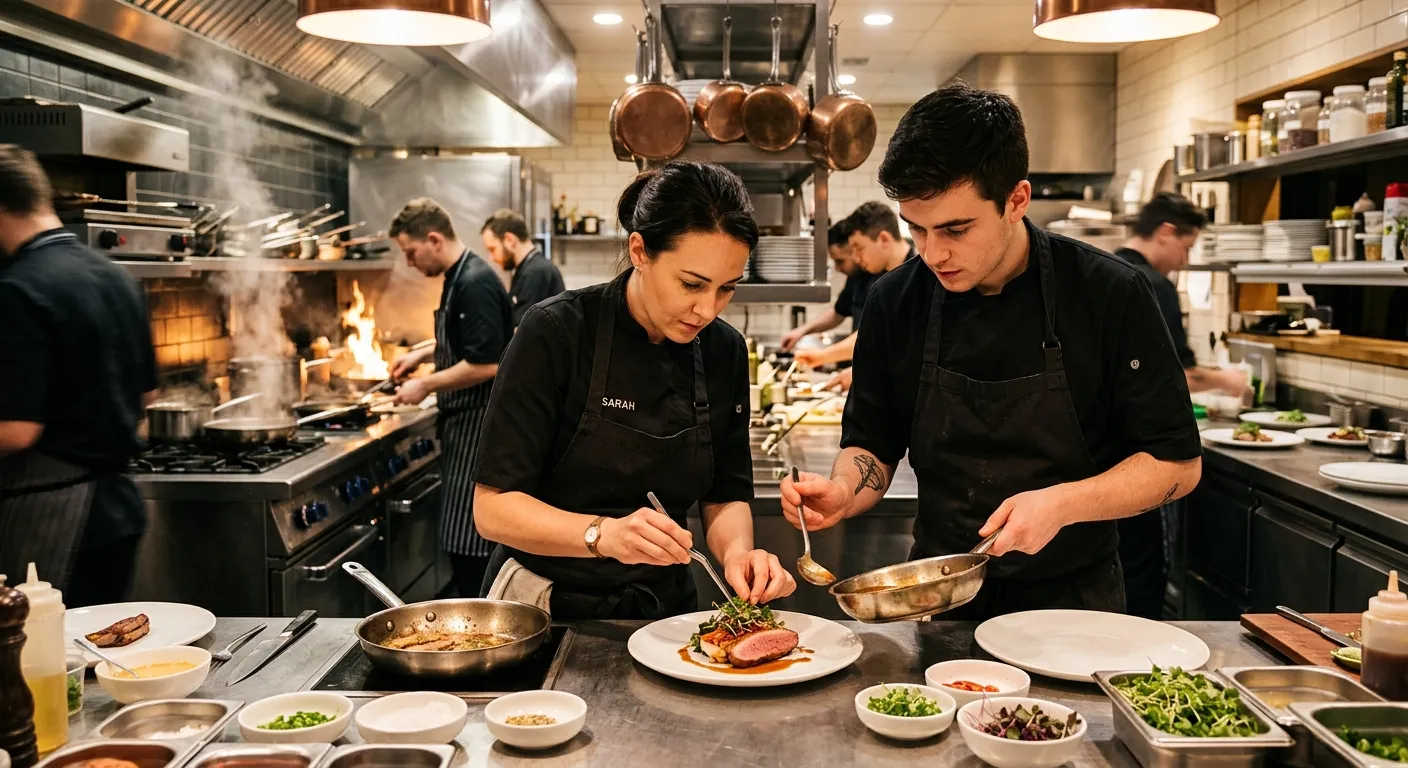
Elevate your culinary operations, streamline service, and reduce overhead by integrating a skilled Chef Assistant into your team. This definitive guide covers everything from role definition to hiring strategies.
Post Your Chef Assistant Job NowNavigating Chef Assistant Roles: A Multi-Category Overview
The role of a Chef Assistant is multifaceted. Use the tabs below to explore the different specializations and find the perfect fit for your kitchen's needs.
The Commis Chef: The Foundation of Kitchen Operations
A Commis Chef is an entry-level Chef Assistant crucial for maintaining the kitchen's rhythm. They are responsible for basic food prep, maintaining station hygiene, and supporting senior chefs. This role is the training ground for future sous chefs and head chefs, requiring diligence, speed, and a willingness to learn.
For businesses, hiring a Commis Chef through a specialized service ensures you get a candidate with foundational skills and the right attitude. It's a strategic move for long-term kitchen development, much like how a professional call answering service builds a foundation for impeccable customer communication.
Sous Chef Assistant: The Right Hand of Leadership
This role acts as a direct deputy to the Sous Chef or Head Chef. Responsibilities include managing inventory, creating prep lists, overseeing the Commis team, and stepping in to run service during peak times. They require significant experience and leadership potential.
Finding this caliber of talent demands a targeted recruitment approach. Partnering with experts who understand kitchen hierarchies is key, similar to how you'd seek out a specialist agency for freelance chefs to fill critical senior gaps.
Pastry Assistant: Specialized Precision & Creativity
Operating within the pastry section, this Chef Assistant focuses on desserts, breads, and baked goods. Precision, creativity, and an understanding of complex techniques like tempering chocolate and laminating dough are paramount. This niche role often requires a dedicated recruitment search, underscoring the value of specialized Light Industrial Staffing Services that can pinpoint candidates with exact skill sets.
Personal/Private Chef Assistant: Discretion & Adaptability
Working in private homes or for exclusive clients, this role extends beyond cooking to include menu planning for dietary needs, shopping, and maintaining a private kitchen. Discretion, adaptability, and exceptional interpersonal skills are as important as culinary talent. Securing such a role often involves trusted networks and high-caliber staffing partners, mirroring the selective process for securing a top-tier virtual receptionist for a sensitive executive office.
Key Benefits of Hiring a Professional Chef Assistant
Integrating a skilled assistant into your kitchen delivers measurable advantages across operations, finance, and quality.
Increased Kitchen Efficiency & Throughput
A dedicated Chef Assistant handles prep, mise en place, and station organization, freeing the head or sous chef to focus on complex cooking, plating, and expediting. This clear division of labor eliminates bottlenecks during service, leading to faster ticket times and higher customer satisfaction. The efficiency gain is similar to how a live phone answering service manages call flow to prevent customer wait times.
Enhanced Consistency & Quality Control
With an assistant managing routine tasks, senior chefs can enforce standards more rigorously. The assistant ensures ingredients are prepped uniformly, stocks are maintained, and equipment is clean—fundamentals that directly impact dish consistency. This systematic approach to quality is a cornerstone of professional Light Industrial Staffing Services, ensuring every team member contributes to a reliable output.
Cost-Effective Labor Scalability
Hiring a Chef Assistant, especially on a temporary or seasonal basis through a staffing agency, provides financial flexibility. You can scale your team up for holiday rushes or large events without the long-term commitment of a permanent hire. This model mitigates the risks and costs of bad hiring, a concern we detail in our resource on hiring best practices.
Skill Development & Knowledge Transfer
An assistant role is inherently a learning position. Investing in training cultivates loyalty and creates a pipeline of future talent for your kitchen. It's a long-term strategy that builds institutional knowledge, much like developing a team of specialists in other fields, such as the recruitment talent needed to grow your business.
Reduced Chef Burnout & Improved Morale
The culinary industry is high-pressure. An effective assistant alleviates the administrative and physical burden on lead chefs, preventing burnout. A supported chef is more creative, engaged, and likely to stay with your establishment. This focus on team well-being is a hallmark of modern staffing, reflecting the same principles applied in sectors like healthcare staffing, where support roles are critical.
Operational Risk Mitigation
A skilled assistant provides crucial cover during illness, vacation, or unexpected staff shortages. This continuity ensures service is never compromised. Partnering with a reliable staffing provider for your Chef Assistant needs guarantees you have access to a talent pool on demand, transforming a potential operational crisis into a manageable situation.
The Hiring Process: From Job Description to Onboarding
Crafting the Perfect Chef Assistant Job Description
A clear, compelling job description is your first filter. It must accurately reflect the role's demands while attracting the right candidates.
- Title Precision: Use specific titles like"Pastry Chef Assistant" or"Sous Chef Assistant" to attract niche talent.
- Core Responsibilities: Detail tasks (e.g.,"Prepare all mise en place for the sauté station,""Maintain inventory logs for dry goods").
- Essential Skills: List hard skills (knife skills, specific cuisine knowledge, food safety certification) and soft skills (teamwork, stamina, ability to work under pressure).
- Experience & Qualifications: State required years in a commercial kitchen and any necessary certifications (e.g., Food Hygiene Level 2).
- Company Culture & Benefits: Showcase what makes your kitchen unique to attract passionate individuals.
Pro-Tip: Leverage Staffing Specialists
Don't navigate the hiring maze alone. Specialized Light Industrial Staffing Services have pre-vetted pools of culinary talent. They understand the difference between a Commis Chef and a Demi Chef, saving you countless hours of sifting through unqualified applications. This is similar to how a business might use a professional phone answering service to filter and qualify leads efficiently.
Sourcing Candidates: Channels & Strategies
Cast a wide but targeted net. Utilize general job boards, but prioritize industry-specific channels:
- Culinary Job Boards & Institutes: Post on sites dedicated to hospitality careers and engage with local culinary schools for graduate placements.
- Staffing Agencies: Partner with agencies that specialize in hospitality and Light Industrial Staffing Services. They handle advertising, screening, and initial interviews.
- Industry Networks: Tap into chef associations and use word-of-mouth referrals from your existing trusted team.
- Social Media: Use platforms like LinkedIn and Instagram to showcase your kitchen's work and attract talent passionate about your brand.
Why your"urgent" hire takes time, and how a strategic partnership can accelerate it.
The Interview & Practical Assessment
The interview for a Chef Assistant must be practical and behavioral.
- Stage (Practical Trial): A paid working trial is industry standard. Observe their knife skills, time management, cleanliness, and how they interact with the team under service pressure.
- Behavioral Questions: Ask about handling a mistake during a rush, dealing with a difficult colleague, or managing multiple tasks. Look for humility, problem-solving, and calmness.
- Cultural Fit: Gauge their passion for food, alignment with your kitchen's pace (fine dining vs. high-volume casual), and long-term aspirations.
Pro-Tip: Standardize Your Assessment
Create a simple scoring sheet for the practical trial. Rate candidates on specific, observable criteria (e.g.,"Knife Technique: 1-5,""Station Organization: 1-5"). This removes bias and provides a clear, comparative view of each applicant's practical abilities. This structured approach is as vital in hiring as using a standardized process for customer support services to ensure quality.
Onboarding & Integration: Setting Up for Success
A proper onboarding process reduces early turnover and accelerates productivity.
- Structured First Week: Pair them with a senior mentor. Cover not just tasks but also kitchen culture, communication protocols, and safety procedures.
- Clear Expectations & Feedback: Schedule a 30-day check-in to discuss progress, address concerns, and reaffirm goals.
- Invest in Training: Budget for external courses (e.g., advanced food safety, specific cuisine workshops) to show investment in their growth.
Effective onboarding is a universal business principle, whether integrating a new Chef Assistant or a remote receptionist into your virtual team. Clear processes foster confidence and competence from day one.
Chef Assistant Hiring: Frequently Asked Questions
Get expert answers to the most common questions about recruiting and working with a Chef Assistant.
Salaries vary widely based on experience, location, and establishment type. An entry-level Commis Chef might start between £18,000 - £22,000 annually. An experienced Sous Chef Assistant in a top London restaurant could command £28,000 - £35,000. For precise, localized rates, consulting a specialized staffing agency is advisable, as they have real-time market data. For insights into competitive pay in other support roles, you can explore resources like our guide on industry pay standards.
It depends on your needs:
Temporary: Ideal for covering vacations, seasonal peaks (Christmas, summer), maternity leave, or specific events. It offers maximum flexibility with no long-term commitment.
Permanent: Best for stable, ongoing needs where you want to invest in training and develop a team member long-term.
Many businesses start with a temporary-to-permanent arrangement through a staffing agency, allowing for a risk-free trial period. This flexible model is a core strength of modern Light Industrial Staffing Services.
While knife skills are fundamental, these soft skills often determine success:
Reliability & Punctuality: The kitchen cannot function if a team member is late.
Cleanliness & Organization: A messy assistant creates food safety risks and slows down service.
Stress Resilience: The ability to stay focused and calm during a busy service is non-negotiable.
Teamwork & Communication: Kitchens run on clear, concise communication. They must be a collaborative link in the chain.
Initiative & Anticipation: The best assistants see what needs to be done before being asked.
A specialized agency acts as an extension of your HR department. They:
Pre-Vet Candidates: They conduct interviews, check references, and often perform practical skill assessments before you ever see a CV.
Understand Kitchen Lingo: They know the difference between a brunoise and a batonnet, ensuring they match skills accurately.
Provide Flexibility: They can supply temporary, temp-to-perm, or permanent placements, scaling with your demand.
Assume Administrative Burden: They handle payroll, taxes, and employment liabilities for temporary workers.
Offer Guarantees: Many provide replacement guarantees if a hire doesn't work out. This expertise mirrors the value found in specialized partners for other business functions, such as a top business calls answering service.
Key considerations include:
Right to Work: You must verify original documents (passport, visa, etc.) for every hire.
Food Hygiene Certification: Ensure the candidate holds a valid Level 2 Food Safety certificate as a minimum.
Employer's Liability Insurance: This is a legal requirement for anyone you employ.
Contract of Employment: A written statement of terms must be provided on or before the first day of work.
PAYE & Pensions: You are responsible for operating payroll, deducting tax, and auto-enrolling eligible staff into a pension scheme.
Using a reputable staffing agency for temporary placements transfers many of these compliance responsibilities to them, significantly reducing your administrative risk and workload.
Ready to Transform Your Kitchen Operations?
Stop struggling with understaffing, inconsistent quality, and chef burnout. The strategic addition of a professional Chef Assistant is your solution. Whether you need temporary support for a busy season or are looking for a permanent key team member, expert help is available.
Leverage the expertise of specialized Light Industrial Staffing Services to find pre-vetted, skilled, and reliable culinary talent. Streamline your hiring, reduce risk, and invest in the future of your food service business.
Hire Your Ideal Chef Assistant TodayPost your job in minutes and connect with qualified candidates immediately.